














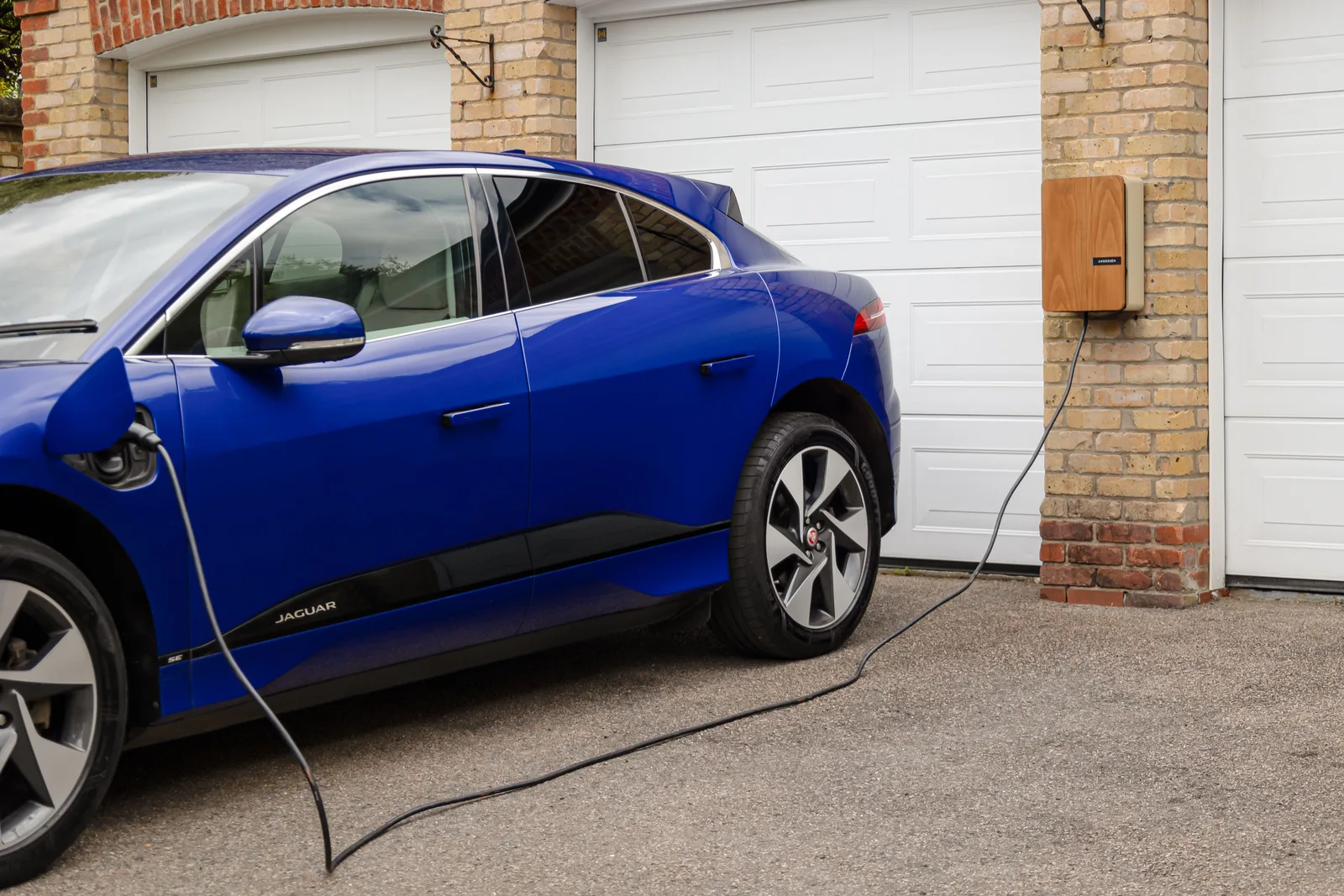
If you had an electrician wire up a home EV charger and put it in service on or before June 30, you can still claim up to $1,000 back on your 2026 tax return. If you were planning to and had not gotten there yet, that money went away Monday.
The federal Alternative Fuel Vehicle Refueling Property Credit, the one everyone just calls the home EV charger credit, closed on June 30, 2026. Congress ended it early through the One Big Beautiful Bill Act signed last summer. For any qualifying charger placed in service after that date, the federal credit is zero.
Here is how it worked while it was alive. If you bought and installed a Level 2 charger at your main home, you could claim 30% of the total cost, capped at $1,000 per charging port. On a typical hardwired install running $2,500 with panel work, that is $750 back. Real money. The catch a lot of homeowners will hit: the address has to sit in a low-income community census tract or a non-urban census tract. The IRS estimates roughly two-thirds of American addresses qualify, but many dense inner suburbs of big cities do not. You confirm through the Argonne National Lab 30C Tax Credit Eligibility Locator by plugging in your street address and reading the yes or no.
Here is the other catch. “In service” is not the same as “purchased.” If the charger was on your porch in May and the electrician finalized the install on July 3, no credit. The install date is what the IRS uses, and it will want the invoice from the electrician to prove it.
If you did get it in by Monday, here is the paperwork move. Claim the credit on Form 8911 with your 2026 return. Keep the equipment receipt, the install invoice with the placed-in-service date, and a saved screenshot of the Argonne locator result showing your address is eligible. The credit is nonrefundable for personal use, so it can wipe out what you owe in federal tax but does not turn into a refund check. Any unused piece on a personal install does not carry to the next year, so run the math against what your actual 2026 tax bill will be before you plan around the full $1,000.
If you missed the deadline, do not hire an installer this week hoping to argue the point. The credit is gone. Look at what your state and your utility still offer. The Department of Energy’s Alternative Fuels Data Center lists dozens of state and utility EV-charger rebate programs, and the DSIRE database at dsireusa.org lets you check what is live in your zip. Not the $1,000 you had until Monday, but not nothing.
One more thing worth flagging. The $7,500 new-EV tax credit and the $4,000 used-EV credit both ended September 30, 2025, under the same law. If a dealer is still telling you they can get you the vehicle credit today, ask for a signed Form 15400 dated on or before September 30, 2025. If they cannot produce it, they are selling you a story.
How Candid Yak makes money. Some of the products we write about pay us if you apply or sign up through our links. That never changes our verdict, our rankings, or the numbers in this article. We call a bad deal a bad deal whether it pays us or not. Some brands shown in our comparison tools are placeholder examples while we finalize partner agreements, and we label them as such.