

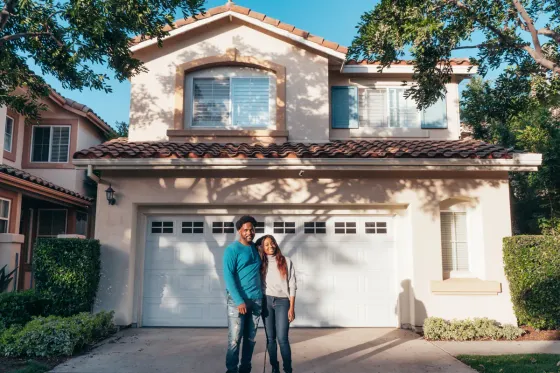














If you own a home or a car in Louisiana and your carrier is about to drop you, you now get 60 days written notice instead of 30. The doubled window applies to a non-renewal, a mid-term cancellation, or any renewal-time change that costs you money: a rate hike, a bigger deductible, or a coverage cut. The clock started July 1.
The change is Act 182, signed into law in 2025 and effective the first of this month. It amends five Louisiana insurance statutes at once, and it covers four lines of business: residential property, homeowners, commercial property, and auto. The insurer has to spell out the reason on the notice, not just send you a letter that says “we’re not renewing.” Insurance Business Magazine confirmed the specifics after Governor Jeff Landry’s office listed the reforms.
Here’s the catch. If you miss a premium payment, you still only get 10 days. That is the same as before, and it is not changing. So 60 days is the notice window for the insurer’s decision to walk, not for yours.
Why this matters, if you live in Louisiana. The state has been the worst homeowners market in the country for three years running. Private carriers have pulled out. Louisiana Citizens, the state’s insurer of last resort, has been taking on policies faster than it can price them. When a private carrier decides you are too much risk, the alternatives are backlogged, expensive, and slow to bind.
The old 30-day window meant you were shopping in a panic. You got the letter, you called two brokers, you took whatever came back first, and you found out later you overpaid or underinsured. Sixty days is real time. Long enough to get three real quotes, compare deductibles side by side, and confirm the new policy binds before the old one dies.
There’s a second piece worth knowing. The law also covers rate increases, deductible changes, and coverage reductions at renewal. So a carrier that used to spring a $2,400 premium hike on you on July 10 for a July 30 renewal now has to lay the whole thing out by early June. That’s time to shop the renewal, not just react to it.
Smart law. It doesn’t solve the Louisiana coverage problem. It just stops the clock from working against you.
Do this now. If you haven’t read your last renewal packet, dig it out this weekend. Confirm the renewal date. Then set a calendar alert for 65 days before it, so you catch any notice the day it lands. If a notice does come in, don’t grab the first replacement. Call three carriers, request written quotes with matching deductibles, and confirm the new binder is active before the old policy ends. Do not cancel your existing policy early to save premium; a coverage gap on a homeowners policy will lose you your mortgage escrow arrangement and possibly your mortgage.
If you own in Louisiana and your carrier is Citizens, add one more step: start shopping the private market on the 61st day. Citizens is not supposed to be a permanent home. When rates soften in your parish, someone else will be cheaper. Our homeowners insurance escrow rundown walks through what happens when the premium changes hit your mortgage payment.
If you’re not in Louisiana, file this away. Florida, Texas, and California legislatures are watching. Notice-period reforms tend to travel from one hurricane state to the next.
How Candid Yak makes money. Some of the products we write about pay us if you apply or sign up through our links. That never changes our verdict, our rankings, or the numbers in this article. We call a bad deal a bad deal whether it pays us or not. Some brands shown in our comparison tools are placeholder examples while we finalize partner agreements, and we label them as such.
Sources
- Louisiana tightens notice rules for home, auto insurance cancelations (Insurance Business America)
- 2025 Insurance Reforms (Office of Governor Jeff Landry)
- Louisiana law expands insurance cancellation protections (PropertyCasualty360)
- Louisiana R.S. 22:1265, Property, casualty, and liability insurance policies