










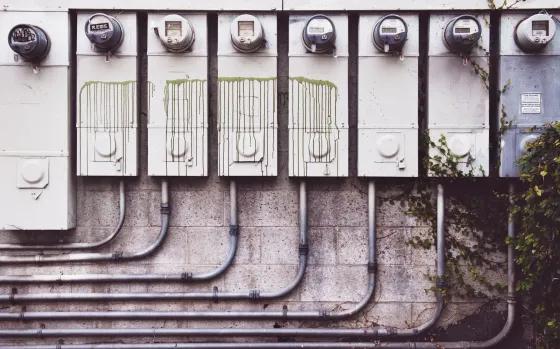






If your electric bill feels like it’s climbing faster than everything else, it is. The average U.S. residential rate hit 18.83 cents per kilowatt-hour in April 2026, up 7.3 percent from a year earlier and up roughly 25 percent from 15.04 cents in 2022. And the utility industry is telling you outright what’s driving it.
For the first time on record, commercial electricity use in the U.S. is projected to pass residential use in 2027. Hyperscalers, cloud computing operators, and AI data centers are the reason. The Energy Information Administration said so in its May 15 Short-Term Energy Outlook. Commercial demand is projected to grow 5.3 percent in 2027. Residential demand, 0.5 percent.
Guess whose bill is paying for the grid buildout to serve both.
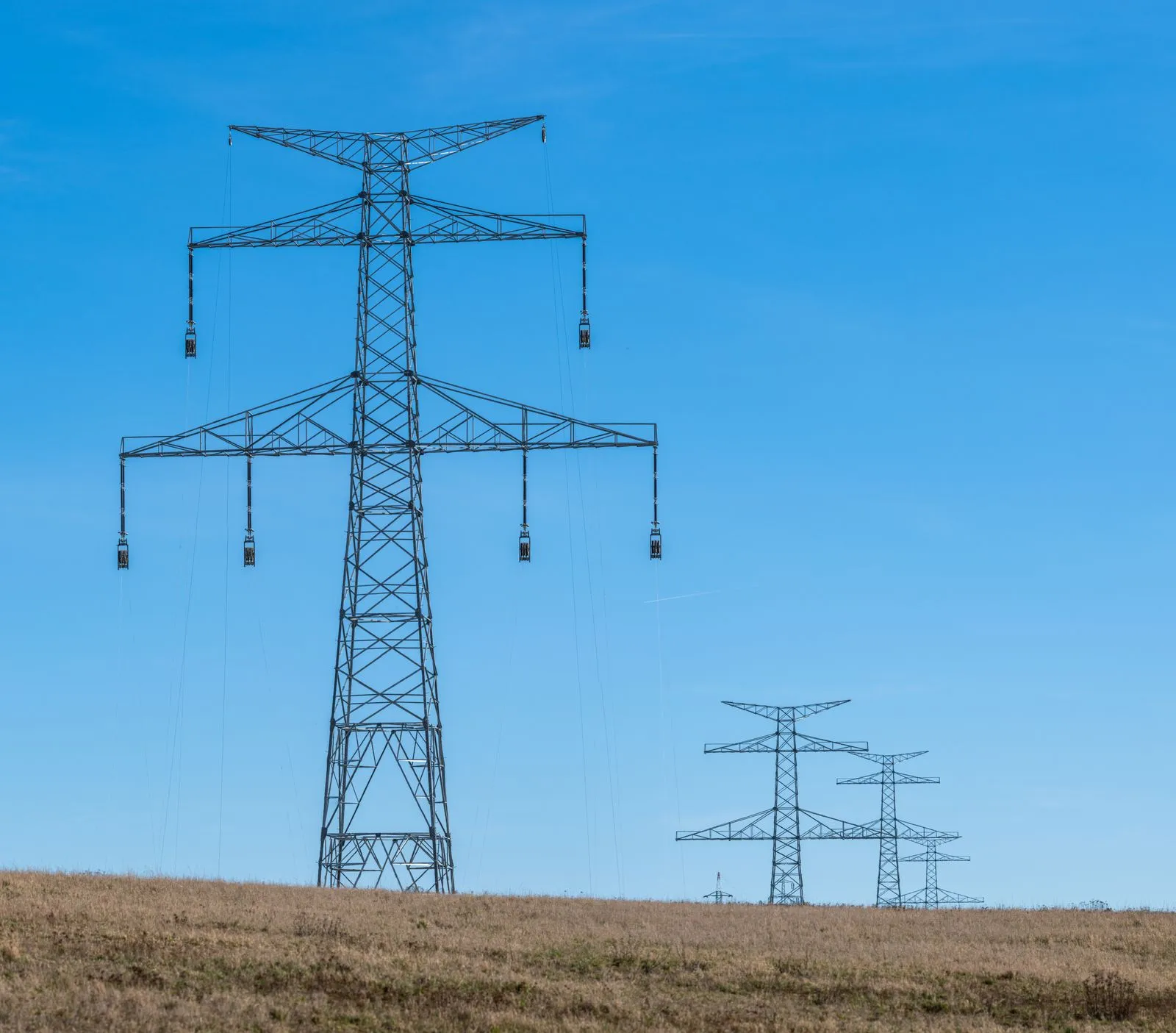
Here’s what they don’t tell you at the utility. On residential bills, the fastest-growing line items are not the kilowatt-hours themselves. They are the delivery and transmission charges. Grid modernization, storm and fire hardening, and interconnection for new data center loads all flow through to your monthly statement over years, usually quietly. Your utility does not send a letter that says “we are building more wires so Amazon and Microsoft can put a data center down the road.”
The year-over-year hits are not evenly spread. According to Electric Choice’s April 2026 state data, Ohio jumped 19.4 percent from a year ago. New Jersey, 16.8 percent. Maryland, 15.9 percent. New Hampshire, 15.1 percent. New York, 14.6 percent. The East Coast and the Great Lakes are carrying the load. Vermont, Maine, and North Dakota drivers stayed cheap. Everybody else, it landed.
Show the math. A U.S. household using roughly the national-average 850 kilowatt-hours a month at 15.04 cents was paying about $128 a month in 2022. At 18.83 cents today, that same household pays about $160 a month, or $385 more a year. In Ohio at 19.4 percent this year alone, an average bill jumped roughly $25 a month from spring 2025.
Do this now. Two moves, in order.
First, check whether you live in a deregulated state. Texas, Pennsylvania, Ohio, Illinois, New Jersey, Maryland, New York, and Massachusetts let residential customers pick their electricity supplier separately from the utility that delivers the power. Default rates often lag competitive offers, sometimes by 10 to 20 percent. Use your state’s official comparison site (Texas: powertochoose.org, Pennsylvania: papowerswitch.com, Ohio: energychoice.ohio.gov). Shop a fixed-rate 12-month plan and read the fine print for early-termination fees. Signing up takes about ten minutes online.
Second, if you’re not in a deregulated state, call your utility and ask two questions. Do you have a time-of-use rate that would save me money on my usage pattern? And do you offer a free home energy audit? Both are underused. The audit tells you which appliance is the hog. The time-of-use rate lets you push laundry, dishwasher, and EV charging into off-peak windows for real savings without changing anything else.
If your bill is already low or you rent and don’t pay the utility directly, file this away. When you sign a new lease or buy a home, the state you land in shapes your utilities budget for years. If you’re a homeowner in a sunny state and want to end the utility relationship entirely, our solar comparison hub lays out the payback math.
The AI boom is not your fight. But you are helping pay for the poles it needs. Shop the rate.
How Candid Yak makes money. Some of the products we write about pay us if you apply or sign up through our links. That never changes our verdict, our rankings, or the numbers in this article. We call a bad deal a bad deal whether it pays us or not. Some brands shown in our comparison tools are placeholder examples while we finalize partner agreements, and we label them as such.