
















If the IRS hit you with a late-filing penalty, a late-pay penalty, an estimated-tax penalty, or interest on any return with a deadline between January 20, 2020 and July 10, 2023, you may be able to claim that money back. The window to preserve your claim closes on July 10, 2026. That’s six days from now.
A November 2025 decision from the U.S. Court of Federal Claims, Kwong v. United States, read the pandemic disaster-relief statute broadly. The court held that Section 7508A(d) of the tax code pushed every federal filing and payment deadline that fell inside the disaster window out to July 10, 2023. Translation: the IRS should not have been charging late penalties or interest on returns filed or paid during that stretch.
If Kwong holds up, tens of millions of taxpayers, from individuals to estates to small businesses, may be owed penalty and interest refunds. The government isn’t rolling over. Treasury filed a notice of intent to appeal on May 15, 2026. The Court of Appeals for the Federal Circuit will hear the case. Nothing about this is settled.
That’s why the National Taxpayer Advocate, the IRS’s own in-house watchdog, has been shouting for three months: file a protective claim now. Not because Kwong will definitely win. Because if you don’t file by July 10, 2026, you lose the right to claim even if the government loses the appeal.
Real money on the table
This is not automatic. The IRS is not going to review your file and mail you a check. The three-year statute of limitations on refund claims runs from the date the penalty and interest were paid, and for anything tied to that pandemic window the clock started July 10, 2023. Miss the deadline and Kwong could ultimately be affirmed by the Supreme Court and you would still be out of luck.
The eligible group is huge. If you paid a late-filing penalty on a 2020 return, or a failure-to-pay penalty on 2021 estimated taxes, or interest on a 2022 balance the IRS treated as late, those are the amounts on the table. A few hundred dollars for most individuals. More for anyone who ran a small business, an estate, or a trust through those years.
Do this by July 10
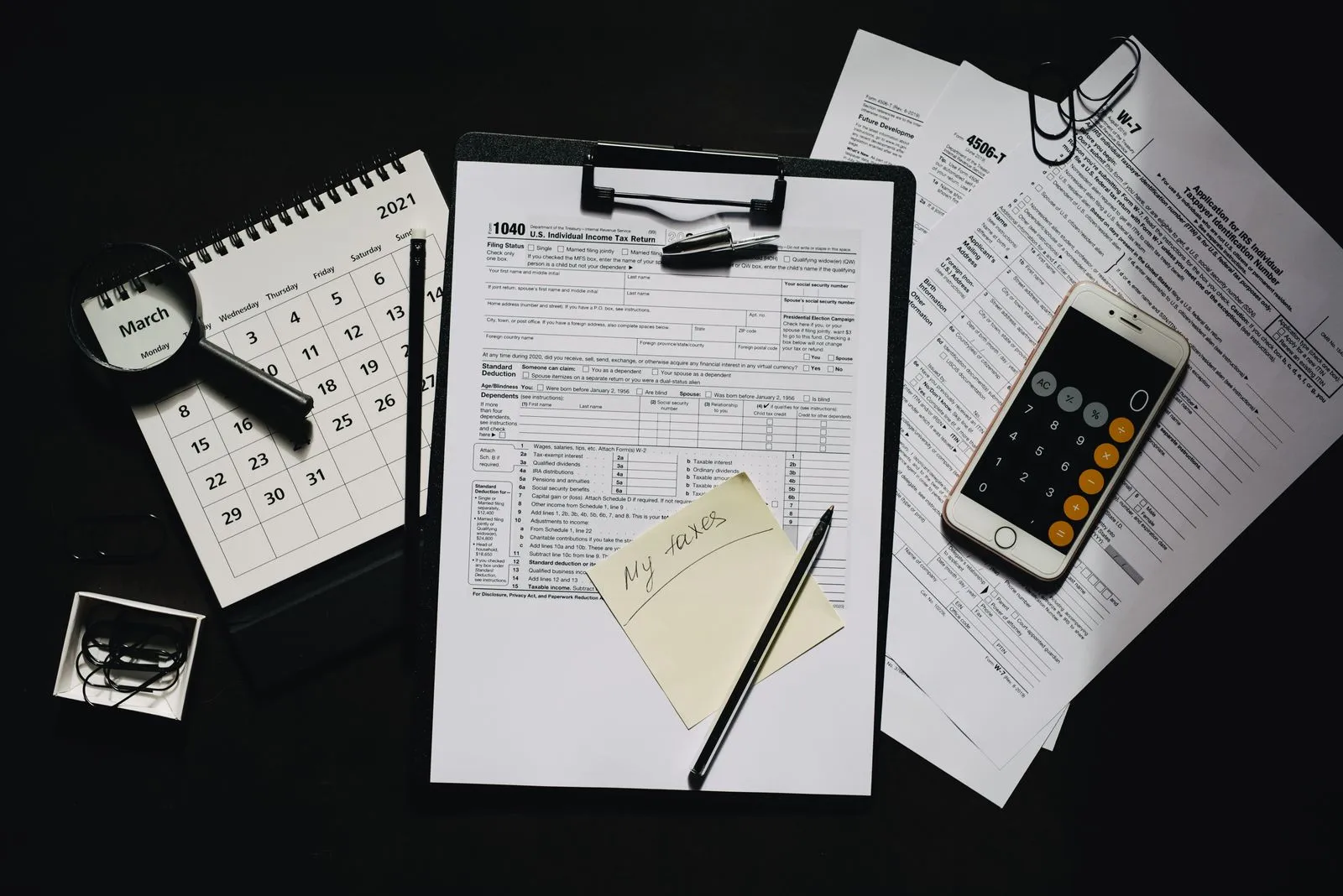
The paperwork is not complicated. File Form 843, “Claim for Refund and Request for Abatement,” one for each tax year with a penalty or interest charge you want back. Individual taxpayers can now submit Form 843 electronically through IRS.gov. If you need to change the underlying tax liability for a year, file an amended return (Form 1040-X) instead.
Pull your IRS tax account transcripts first, either through your IRS.gov account or by asking your tax preparer for them. They list every penalty and interest charge, line by line, so you know exactly what you are claiming.
A protective claim costs you nothing and preserves your position if Kwong is affirmed. If Kwong is reversed on appeal, your claim is denied and that is the end of it. If you file nothing, you have nothing to appeal.
Do this by July 10, 2026. Not sooner, not later.
How Candid Yak makes money. Some of the products we write about pay us if you apply or sign up through our links. That never changes our verdict, our rankings, or the numbers in this article. We call a bad deal a bad deal whether it pays us or not. Some brands shown in our comparison tools are placeholder examples while we finalize partner agreements, and we label them as such.