












If you’re signing an Arizona solar contract this month, go find the part about your roof.
There isn’t one. And right now, nothing in Arizona law says there has to be.
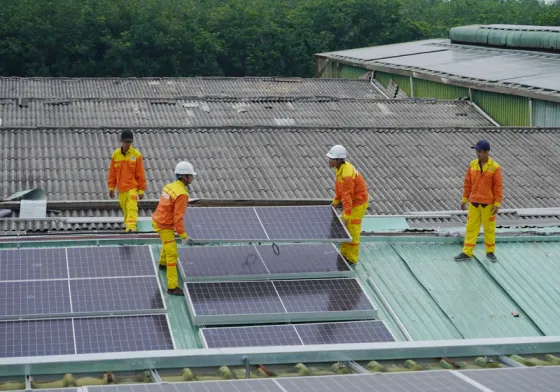
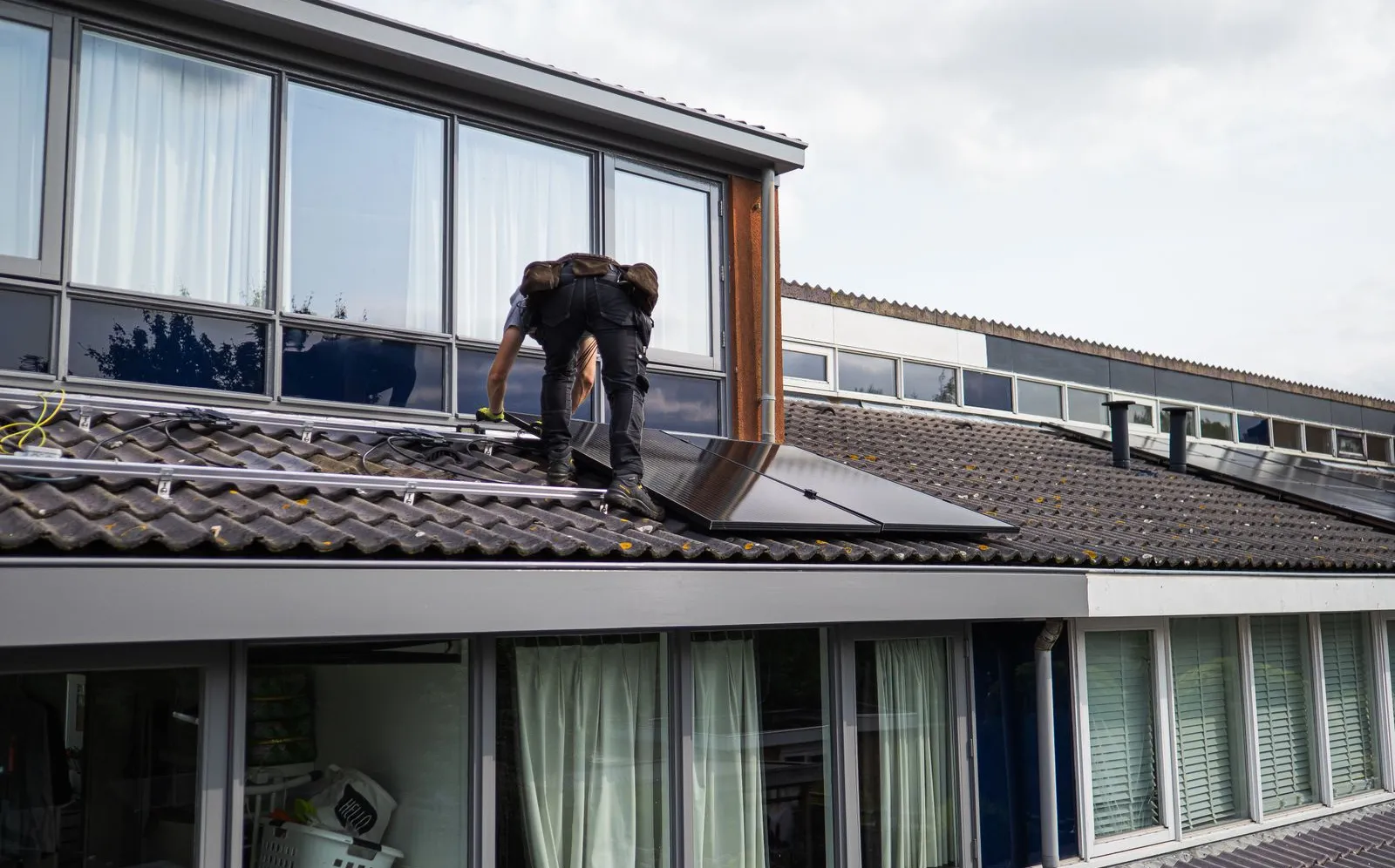
That’s about to change. Arizona passed SB 1419 this year, and it does something the solar industry has spent two decades avoiding. It makes the contractor look at your roof before drilling into it, and it puts the contractor on the hook for the damage the installation causes. Per Troutman Pepper Locke’s August review of residential solar law, the act requires a licensed contractor to evaluate the roof’s structural capacity first, holds the contractor “responsible for repairing any roof damage that is caused by the installation,” and requires your written acknowledgment that “roofing materials may need repair or replacement during the system’s lifetime.”
Read that last one again. The law’s authors thought the most important thing to tell an Arizona homeowner was that the roof under the panels has a clock on it.
Now the timing, which is where the useful part hides. The Legislature adjourned June 13. Its own session laws page lists September 12, 2026 as the general effective date for everything passed this session, and unless a bill sets its own date, that’s when it begins. Pull up ARS 44-1762 and ARS 44-1763 on the Legislature’s site today and you’ll find warranty rules, installation standards, and fourteen categories of required disclosure. You will not find a single word about your roof.
So for the next three weeks, the roof is yours to negotiate.
That matters more in Arizona than almost anywhere. Panels are warranted for decades. Shingles are not. When the roof goes first, somebody has to pull the array down and put it back, and that’s a second bill from a second company, quoted after you’ve already committed to the re-roof.
Do this before you sign. Write the two sentences into the contract yourself: that the contractor inspected the roof and found it sound enough to carry the array, and that the contractor pays to repair roof damage caused by the installation. If the salesperson tells you the new law covers it, ask them to put the new law’s language in the document. A protection that takes effect after your signature date is not your protection.
Then ask for the savings math. You can already demand this. ARS 44-1763 requires a seller claiming financial savings to substantiate the methodology behind them, and requires any projection of your future utility bills to be run against rates moving 5 percent a year in both directions, with the plain warning that “Utility rates and utility rate structures are subject to change.” Ask for the spreadsheet. Watch what happens.
And if your roof is closer to the end of its life than the panels are to the end of theirs, re-roof first. Expensive, and still the right order.
If you can wait three weeks, wait. A contract signed September 13 gets the bold type, the separate initials on the price, and the roof clause by operation of law. One signed today gets whatever you argued for.
Run your own payback number on our solar calculator, compare financing types in our solar hub, and before you pick an installer, read what happens to your workmanship warranty when the company that installed your system goes under. That’s the same risk this law is aimed at, from the other end.
How Candid Yak makes money. Some of the products we write about pay us if you apply or sign up through our links. That never changes our verdict, our rankings, or the numbers in this article. We call a bad deal a bad deal whether it pays us or not. Some brands shown in our comparison tools are placeholder examples while we finalize partner agreements, and we label them as such.
Sources
- Rooftop Rules: The Residential Solar Law Review, August 2026 (Troutman Pepper Locke)
- Session Laws, 57th Legislature 2nd Regular Session, general effective date 09/12/2026 (Arizona State Legislature)
- ARS 44-1763, Distributed energy generation system agreements; disclosures; exception (Arizona Revised Statutes)
- ARS 44-1762, Solar energy device warranties; installation standards; inspections (Arizona Revised Statutes)