













If you still owe on a Federal Perkins Loan and the Education Department is the one holding it, the company that bills you changes on December 1. Nobody has written to you about it. The Department wrote to colleges.
Federal Student Aid posted the announcement on August 3, 2026, filed under reference CB-26-14. Servicing of federally held Perkins loans moves from the ECSI Federal Perkins Loan Servicer to a company called GCR Servicing. Two dates matter. On October 1, ECSI stops accepting Perkins loans from schools. December 1 is the anticipated completion of the transfer.
Now read who the notice is for. It tells schools when to stop sending packets and when they can start sending them to GCR. It points them at the Perkins Assignment and Liquidation Guide. It gives a phone number for the FSA Partner and School Relations Center. On the question of what a borrower should do about a payment due in December, it says nothing at all.
That’s not a conspiracy. It’s a program being wound down quietly, and quiet is the whole risk.
First, figure out if this is even your loan
Perkins loans come in two flavors, and only one of them is moving.
Most are held by the college that made them. Your school, or a contractor it hires, sends the bill. Nothing about those loans changes.
The rest were assigned to the Education Department, which happens when a school withdraws from the program, closes, gets terminated, or fails recertification. A school can also just choose to hand loans over. Only those federally held loans go to GCR, and the wind-down guidance doesn’t require schools to assign Perkins loans that aren’t in default, so plenty never moved and never will.
Perkins stopped making new loans in 2017. About $2.8 billion in balances were still outstanding as of December 2025, per Department of Education figures. Set that against a federal student loan portfolio of $1.696 trillion and you can see the shape of the problem. A small, closing program is exactly the one that doesn’t get a communications budget.
Do this before December
Find out who bills you. Pull your most recent Perkins statement or log into the portal you’ve been using. If it comes from your college or its billing contractor, you’re done. If it comes from ECSI as the Federal Perkins Loan Servicer, your loan is in the group that moves.
Keep paying whoever bills you now. Federal Student Aid’s rule on assignment is that you keep paying your current servicer until the Department’s servicer notifies you in writing where to send payments. A transfer is never a reason to skip a month, and a new address you found yourself is not an instruction.
Screenshot your balance, your payment history, and any cancellation credit you’ve earned. Perkins cancellation for teaching, nursing, and other qualifying public service is worth real money, and a handoff is where a paper trail goes missing. Your rights carry over automatically. Your servicer’s records are the thing that has to survive the trip.
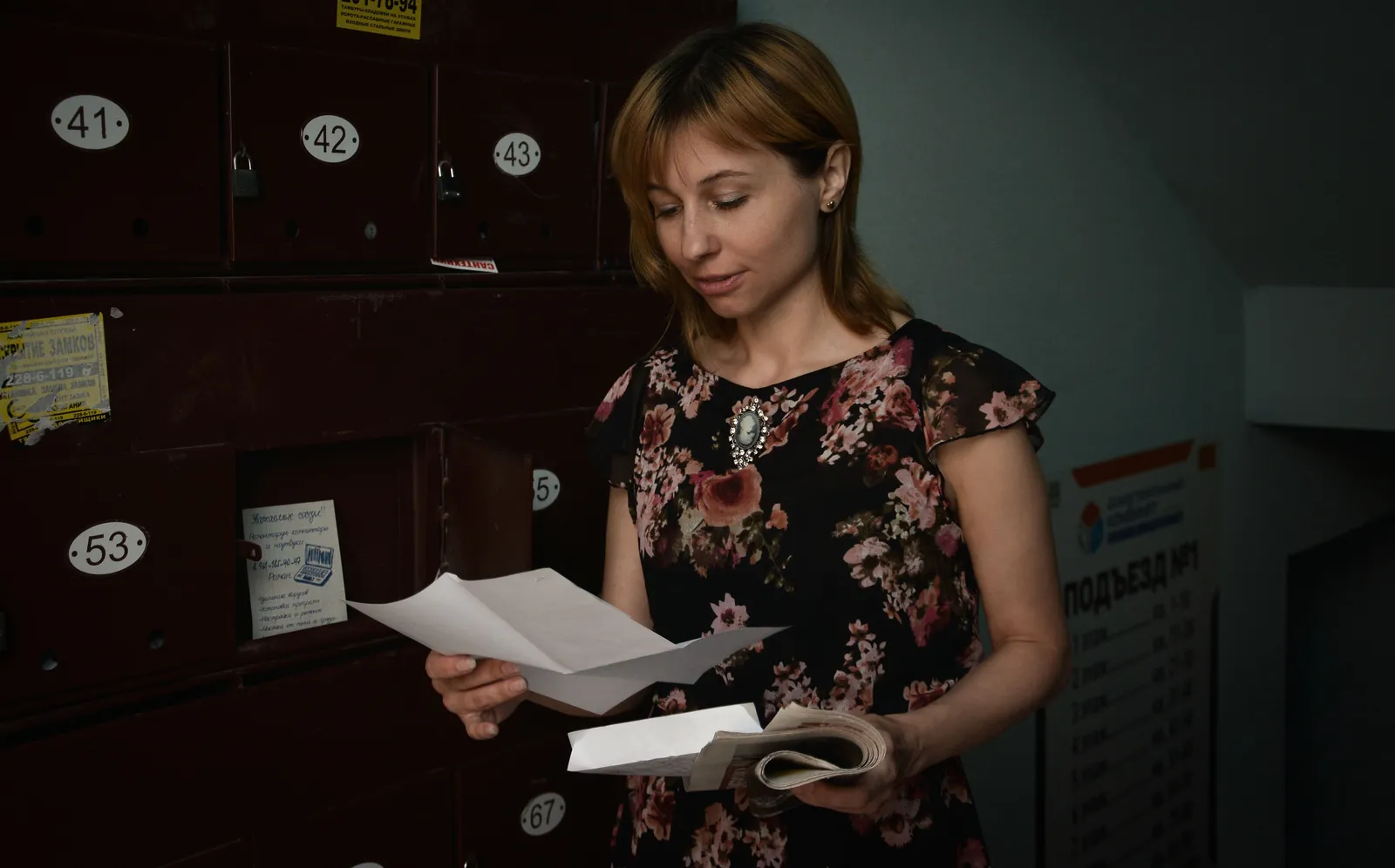
Then watch your mail through December. The notice, when it comes, is the only one you get.
Verdict: the benefits are safe, the bookkeeping is on you. One more thing, since Perkins borrowers keep asking: the temporary 1% auto-pay interest cut is Direct Loans only and doesn’t reach you. If you’re weighing whether to just clear the balance, run it through our loan calculator, and the education hub has the rest of this year’s changes.
How Candid Yak makes money. Some of the products we write about pay us if you apply or sign up through our links. That never changes our verdict, our rankings, or the numbers in this article. We call a bad deal a bad deal whether it pays us or not. Some brands shown in our comparison tools are placeholder examples while we finalize partner agreements, and we label them as such.
Sources
- Federal Perkins Loan Servicer Change, School Transition Information, CB-26-14 (Federal Student Aid, August 3, 2026)
- Participating in the Perkins Loan Program, 2026-2027 Federal Student Aid Handbook, Volume 6, Chapter 3
- Student Loan Debt 2026: Statistics and Outlook (The Motley Fool, updated March 30, 2026, citing U.S. Department of Education portfolio data)