





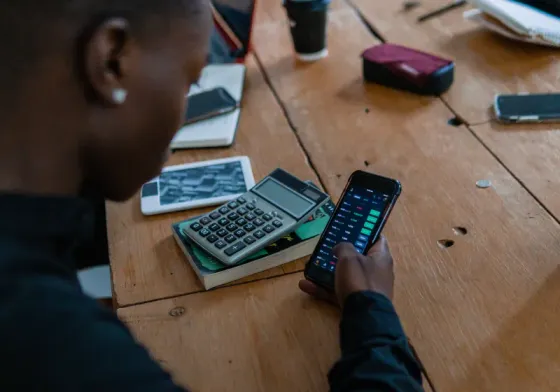
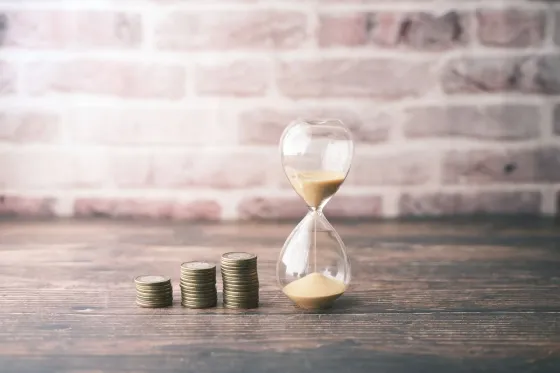

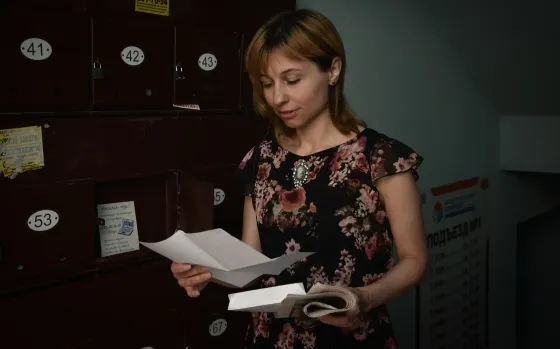


If you split a purchase into four payments and your checking account runs thin before payday, that free loan has a price. Your bank charges it, not the app.
The Federal Reserve put a number on it last week. Eleven percent of buy now, pay later users had a BNPL payment trigger an overdraft or NSF fee in the prior year. About one in nine.
The pitch is honest as far as it goes. No interest, no credit check, four equal payments. All true. None of it covers what happens when the third pull lands on a Tuesday your balance can’t take.
The numbers come from the Fed’s Survey of Household Economics and Decisionmaking, published August 21 in its Consumer & Community Context series. Sixteen percent of all adults used BNPL in 2025. More than a quarter of them, 26 percent, paid late at least once. Seventeen percent got charged extra for it.
Then there’s the part that tells you who carries this. Among users whose largest emergency expense they could cover from savings was under $100, 18 percent had a BNPL payment trigger an overdraft. Nearly one in five.
And one in five BNPL users said they used it to pay for groceries or food delivery.
Put those two facts side by side and the product stops looking like a way to buy a couch.
Run it on an $80 grocery order split four ways. You pay $20 at checkout, then $20 every two weeks. The third payment hits on a day your balance is $6. Your bank covers it and takes $30 for the favor. You just paid $30 to hold onto $20 for four weeks.
No interest, though.
Splitting a couch is questionable. Splitting a grocery run is dumb math, because the thing you couldn’t cover was $80 of food and you’re now out $110.
The fix takes about ten minutes.
Open every pay-in-4 app on your phone and find the payment schedule. Move the due dates to the day after your paycheck lands. Most providers let you reschedule at least one payment per plan, and the ones that don’t will usually move it if you call before it’s due.
Then check which account each plan pulls from. If it’s the same checking account your rent and utilities come out of, point it somewhere you watch more closely.
You can also revoke overdraft coverage at your bank. Under 12 CFR 1005.17 you may withdraw that consent at any time, in the same way you were allowed to give it, and a purchase you can’t cover gets declined instead of paid with a fee attached. Check your plan first: that rule applies to ATM withdrawals and one-time debit card transactions, so a plan that pulls by ACH will still overdraw you.
And if a late fee already landed, call and ask for it back. Nine in ten people who asked got it reduced or wiped.
The survey is self-reported and covers 2025. Clothing was still the most common BNPL buy at 49 percent of users, ahead of electronics at 32 percent. Groceries at one in five is the number that should bother you.
If pay-in-4 has quietly become how you get through the week, the split isn’t the problem to solve. Start with the budget planner, and if you’re carrying the gap on credit either way, shop the rate instead of paying $30 to defer $20.
How Candid Yak makes money. Some of the products we write about pay us if you apply or sign up through our links. That never changes our verdict, our rankings, or the numbers in this article. We call a bad deal a bad deal whether it pays us or not. Some brands shown in our comparison tools are placeholder examples while we finalize partner agreements, and we label them as such.