







If you rent in California, or own a condo, or have a roof pointing the wrong way, the state is about four weeks from telling you that you can buy a solar panel, plug it into a normal outlet, and skip the utility entirely. Four weeks from telling you, which means it has not told you yet.
Senate Bill 868, the Plug and Play Solar Act, cleared the Assembly 73 to 0 on August 25, the Senate signed off on the amendments 36 to 4 the next day, and the bill was enrolled and presented to the Governor at 6 p.m. on August 31. He has until September 30 to sign it or kill it. California legislators have not overridden a veto since 1979, so his pen is the whole story.
The bill exempts a portable solar device up to 1,200 watts AC, one per dwelling, from utility interconnection requirements. No application. No waiting for approval. No utility fee. The device has to be certified as plug-in photovoltaic by UL or an equivalent testing lab, meet the electrical codes, and shut itself down during an outage so it can’t backfeed a line a utility worker is standing on.
That’s a real change. The rooftop version has always needed a roof you own and a utility willing to say yes.
Here’s the catch, and no seller will lead with it. SB 868 sets up no compensation for power you export. Whatever your panel makes that your apartment isn’t using right then goes to the grid for free. So the math isn’t about how much sun hits the balcony. It’s about who’s home at noon.
Run the numbers. A tilted 1,200-watt setup in Los Angeles makes roughly 1,900 kilowatt-hours a year. Estimated savings land somewhere between $228 and $564 annually depending on mounting angle and whether you add a battery, against equipment that runs $700 to $1,600. Two to six years to break even. If you work from home, run a fridge and a heat pump through the afternoon, and mount the thing at a real tilt instead of flat against a railing, you are at the good end. If the place is dark on weekdays, you are buying a device that donates electricity.
Our solar calculator is built for rooftop systems, so use it for the shape of the payback math rather than the exact figure on a 1,200-watt kit. The variable it will show you is the same one that matters here: consumption timing beats panel size.
Don’t buy anything yet. Two reasons. The bill is not law and may never be, and even if it’s signed on September 30 the exemption doesn’t start until January 1, 2027. Anything sold to you before then as “California legal” is somebody guessing about a signature.
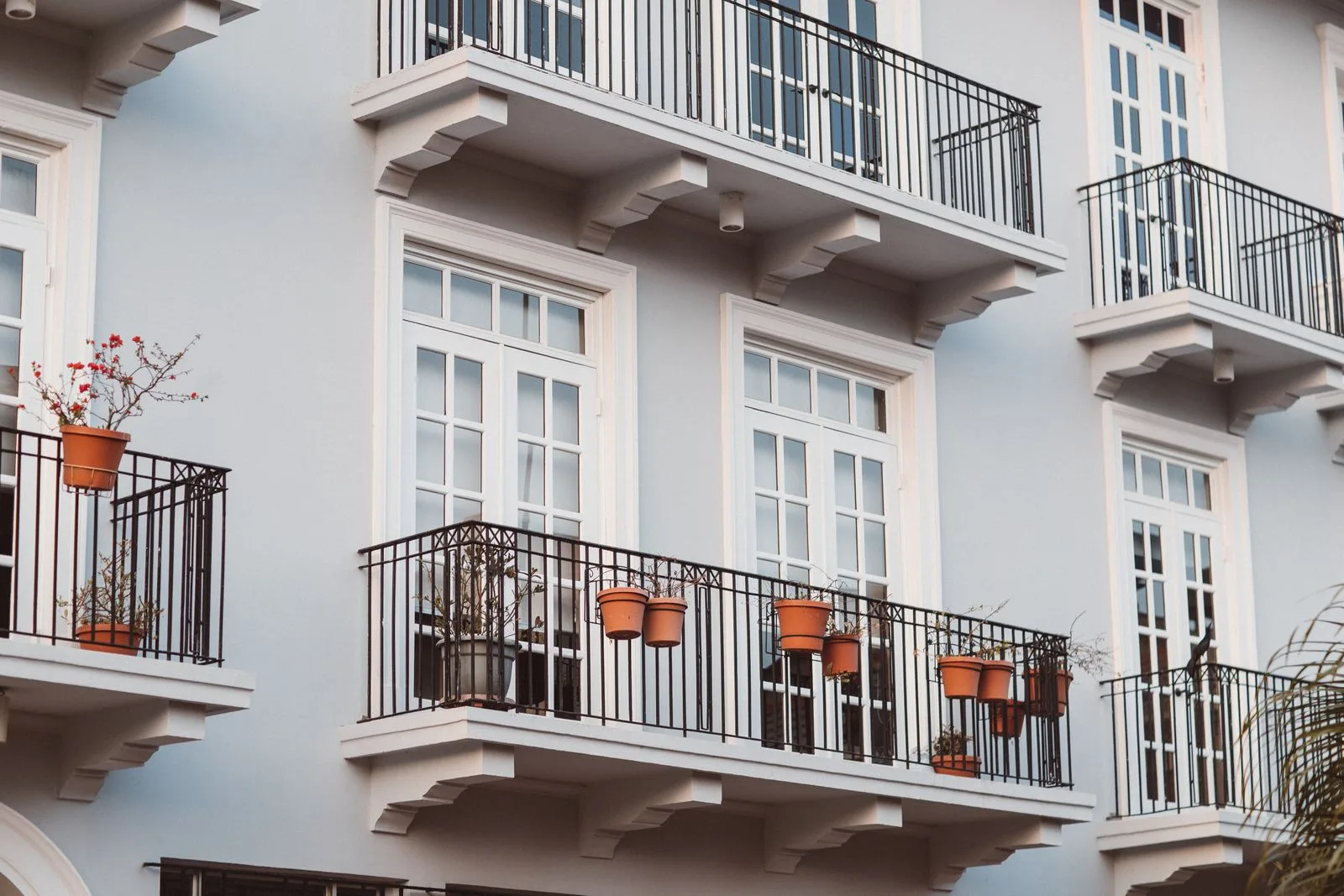
Do this instead. Watch for the Governor’s action by September 30. If you rent, read your lease now for language on exterior attachments and balcony use, because SB 868 does not override your landlord. If you are in an HOA, pull the architectural rules for the same reason. And when you do shop, look for the word “certified” on the listing, not “compliant.” Those are two different words and only one of them means a laboratory checked.
Verdict: worth watching, not worth buying. File this away until October 1, then check whether it got a signature.
If you own the roof and want the full-size version of this math, start at our solar hub and the best solar options rundown.
How Candid Yak makes money. Some of the products we write about pay us if you apply or sign up through our links. That never changes our verdict, our rankings, or the numbers in this article. We call a bad deal a bad deal whether it pays us or not. Some brands shown in our comparison tools are placeholder examples while we finalize partner agreements, and we label them as such.
Sources
- SB-868 Electricity: portable solar generation devices, bill status and history (California Legislative Information)
- California plug-in solar bill SB 868 earns approval of both legislative houses, nears governor's desk (pv magazine USA, August 26, 2026)
- California's Balcony Solar Bill Just Cleared the Legislature: What SB 868 Changes for Your Power Bill (NRG Clean Power)
- UL Solutions Debuts Testing and Certification Framework for Safer Plug-In Solar Across the United States (UL Solutions, January 8, 2026)