










If you rent, live in a condo, or own a roof that faces the wrong way, every solar pitch you’ve ever heard was aimed past you. There’s a version built for your situation, and it doesn’t involve a contractor on your property or a loan against your house.
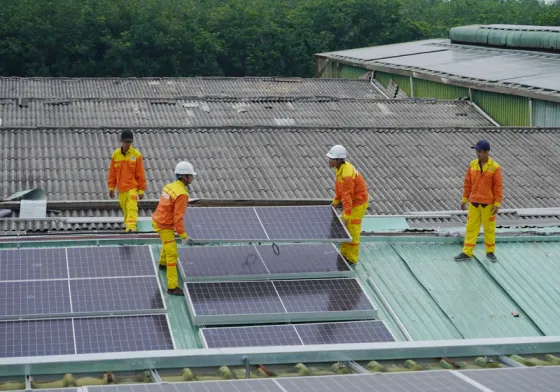
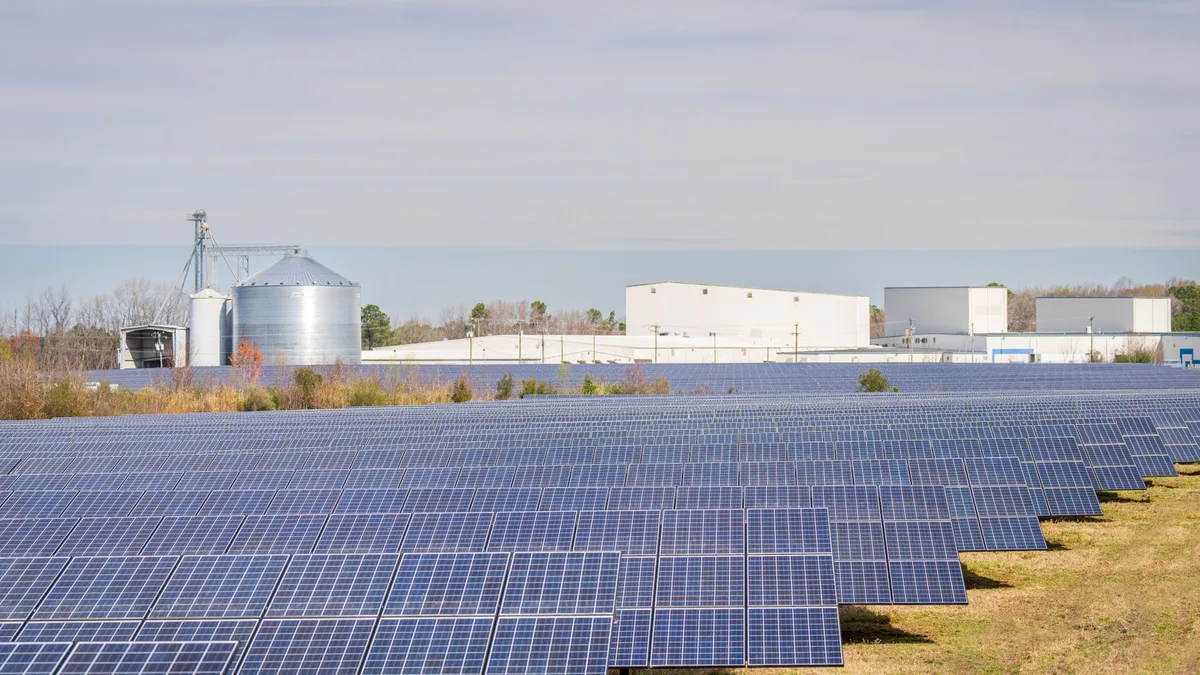
It’s called community solar. You subscribe to a share of a project built somewhere else, a field or a warehouse roof, and the value your share generates comes back as a credit on your monthly electric bill. The Department of Energy puts it plainly: each subscriber gets a portion of the dollar value their subscription generates as a credit, and that credit is typically applied straight to the monthly electric bill.
States have been busy with this. The NC Clean Energy Technology Center counted 253 distributed solar policy actions in the first quarter of 2026 alone, 46 of them on community solar. Forty-four states plus D.C. and Puerto Rico were active. California’s utility commission finalized its Community Renewable Energy Program on June 11, written for non-profits, businesses, renters, and people in multifamily housing. The state already has about 1,200 community solar projects running and another 430 under construction.
Here’s the part that decides whether any of it is worth your signature.
You’re not buying panels. You’re buying a promise about a credit. There’s no equipment on your property to inspect, no installer to sue, no hardware warranty to fall back on. The whole deal is the subscription contract, which means the contract is the product.
The Energy Department published the test, and it’s short enough to hold a salesperson to on the phone. No exit fees, no termination fees, no sign-up fees, no other fees buried in the agreement. A plain-language disclosure document handed to you upfront that spells out what the subscription actually includes. An accessible complaint process when something goes wrong. And DOE’s own instruction to subscribers: check your state’s requirements, because these programs are written state by state and the protections are not the same from one to the next.
Four things. Ask for all four in writing before you agree to anything.
One gap worth naming: DOE’s checklist doesn’t cover what happens when you move. Ask anyway, in writing, and get the answer before you sign, not after you’ve given notice on an apartment.
For low-income programs specifically, DOE notes the requirement that subscribers actually achieve savings, with at least 20% household savings cited as the standard. If you qualify for one of those, start there, because a guaranteed floor beats a projected discount every time.
If you do control a roof, price that path first. Run your own numbers in our solar calculator and read the financing options guide before you settle for a subscription. And know what you’re comparing: with a lease or a power purchase agreement, the 30 percent federal credit isn’t yours either, and utility fixed charges eat into all of these deals. The rest sits on our solar hub.
Community solar isn’t a windfall. It’s the option that exists for the people the rooftop industry has been ignoring, and it comes without a lien on anything you own. That’s worth twenty minutes of reading a contract.
How Candid Yak makes money. Some of the products we write about pay us if you apply or sign up through our links. That never changes our verdict, our rankings, or the numbers in this article. We call a bad deal a bad deal whether it pays us or not. Some brands shown in our comparison tools are placeholder examples while we finalize partner agreements, and we label them as such.
Sources
- Community Solar Basics (U.S. Department of Energy, Community Solar Program)
- The 50 States of Solar: Q1 2026 (NC Clean Energy Technology Center, April 15, 2026)
- CPUC Updates Existing Community Solar Programs and Finalizes the Community Renewable Energy Program (California Public Utilities Commission, June 11, 2026)