







If you’ve paid an electric bill, a car loan, or a phone bill through a site you found by searching your biller’s name, go look at what you actually paid. There may be a “delivery fee” on it that your utility never charged you.
The Federal Trade Commission announced on August 17 that doxo will pay $2.1 million to settle claims it spent years standing between people and bills they were already going to pay.
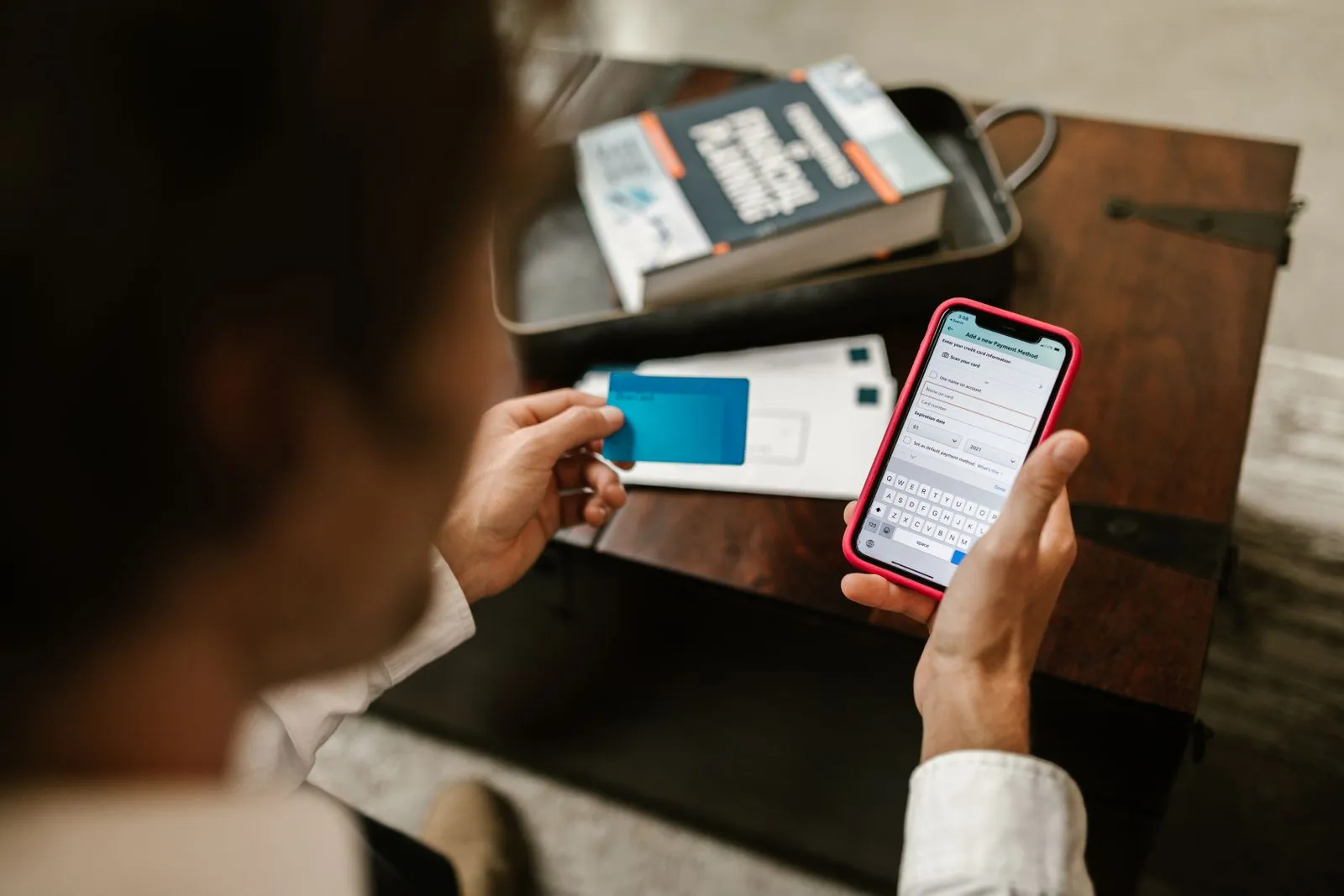
The mechanics fit in one sentence. You search for how to pay your utility bill, an ad sits at the top of the results, you click it, you see your utility’s name and logo on the page, you type in your card, and the payment goes through. Except you aren’t on your utility’s site. You’re on doxo, which the FTC says had no relationship with many of the companies whose logos it was showing.
Then came the fees. The FTC says doxo added “delivery fees” without clearly disclosing them up front and hid the fact that the waiver only applied to certain payment methods. It also says doxo signed people up for a recurring subscription without clearly telling them the price, which is the part that brought the Restore Online Shoppers’ Confidence Act into the case. Co-founders Steve Shivers and Roger Parks are named personally.
doxo’s own explanation is the best line in the file. The company said “many of the rules governing online payments were written in a different era.”
The rule in question is roughly: tell people what you’re charging them.
Nobody comparison-shopped for doxo. That’s the point. You went looking for your power company and got charged a fee by a business you never chose, for a step you didn’t need, on a bill you could have paid for free. The $2.1 million is set aside for consumer redress, but the FTC hasn’t announced a claims process. Don’t sit around waiting for a check.
Do this now. Pull twelve months of bank and card statements and search them for “doxo.” Look for a payment amount that doesn’t match the bill it was supposed to cover, and for a small recurring charge you never placed.
Then pay your billers directly from here on. Type the address yourself, or use the account and autopay you already have with the company. The top result on a search page is bought, not earned. That’s worth remembering whether or not the advertiser is playing straight.
If you find fees you never agreed to, dispute them with your card issuer and file at ReportFraud.ftc.gov.
The proposed order bars doxo from suggesting its payments are direct biller transactions, from using biller names, logos, or web addresses to imply sponsorship, and from collecting payment details before every fee is clearly disclosed. It also has to get express informed consent before charging for a subscription and give people an easy way to cancel.
A budget planner is the dull way to catch this whole category of charge, and dull is what works here. Fees like these survive by being too small to notice one month at a time.
How Candid Yak makes money. Some of the products we write about pay us if you apply or sign up through our links. That never changes our verdict, our rankings, or the numbers in this article. We call a bad deal a bad deal whether it pays us or not. Some brands shown in our comparison tools are placeholder examples while we finalize partner agreements, and we label them as such.