
















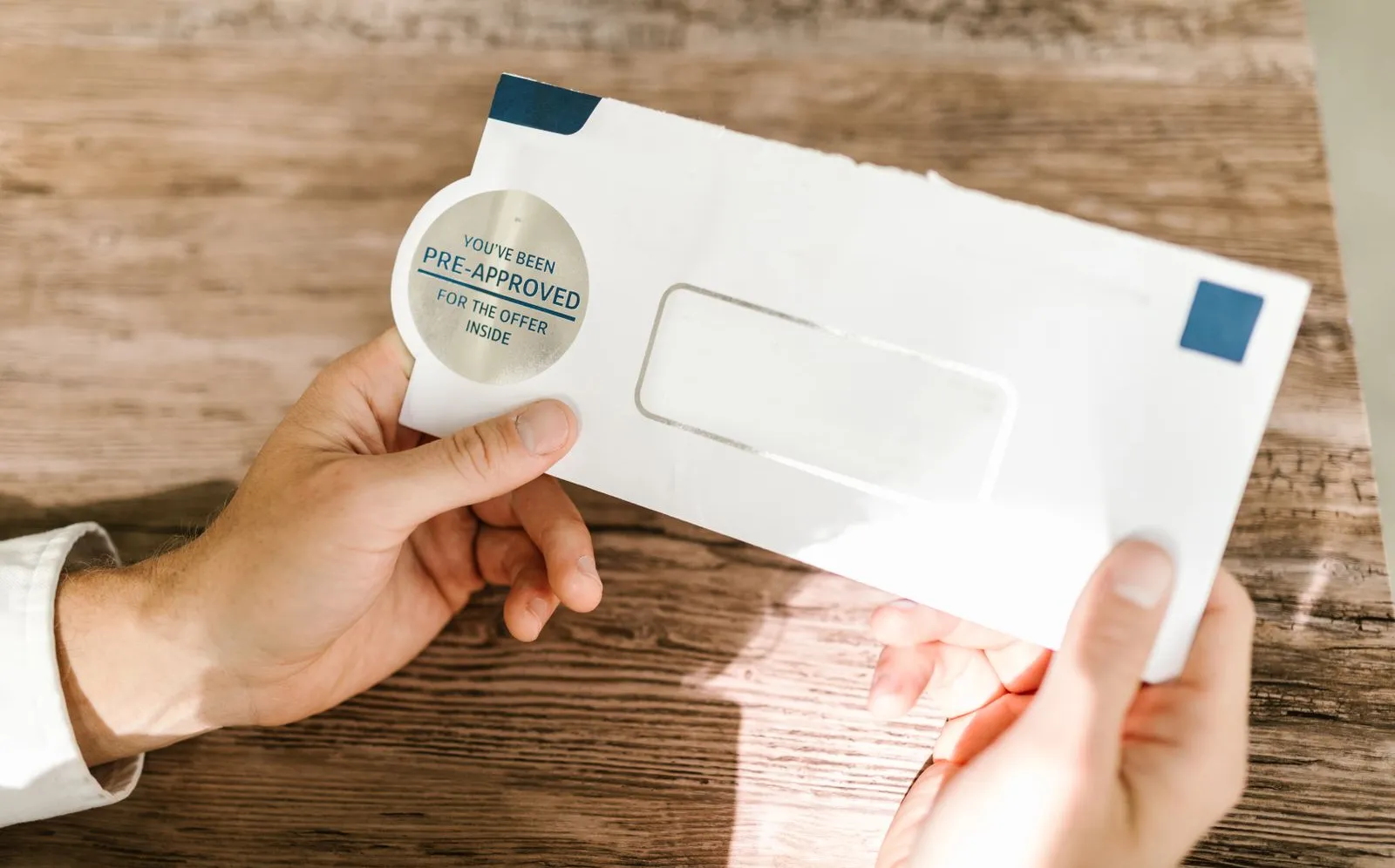
If Equifax mailed you a letter in August or September 2022 saying the same collection account may have shown up twice in your file, you have until September 1 to turn that letter into cash. Up to $600, plus six months of credit monitoring you get whether you file or not.
That is a small door. About 37,000 people got the letter, and the payout math is worth reading before you get excited.
Equifax agreed to a $2.2 million fund to settle Bradberry v. Equifax Information Services LLC, a case arguing the company broke the Fair Credit Reporting Act by reporting one collection account more than once and failing to “assure maximum possible accuracy” in what it sold about you. Equifax admits nothing. A judge decides whether to bless the deal at a hearing on October 6.
Now do the arithmetic nobody puts in the press summary.
Split $2.2 million across 37,000 people and you get about $59 each, before lawyers’ fees and administration costs come out. The headline “up to $600” only works if roughly nine in ten people never file. That is what a pro rata fund does: fewer claims, bigger checks. The number in the headline is the one you get if almost everybody else stays home.
So file. It takes a few minutes, you need the ID and PIN from your notice, and the court-approved site is DuplicateAccountFCRASettlement.com. Mailed forms have to be postmarked by September 1. Nobody grants extensions on these.
Most of you never got that letter. Read on anyway.
The error Equifax paid to settle is not rare or exotic. A collection gets sold, the new owner reports it, the old one never stops, and now one $400 medical bill sits on your file as two separate black marks. Scoring models don’t know they’re the same debt. They read two, and they charge you for two, every time you apply for a card or a car loan.
Pull your reports and look. You get one free copy a year from each of the three bureaus at annualcreditreport.com, and you can often view them more frequently online. Read the collections section line by line. Match the original creditor and the original balance, not the collector’s name, because the same debt wears a different company name at each stop.
Find a match? Dispute it in writing with the bureau, list both account numbers, state that the entries are the same debt reported twice, and attach anything that proves it. Send the same dispute to the company that furnished the information. It generally has 30 days to investigate and respond once it has your letter.
Disputing costs nothing. Thirty-seven thousand people are splitting $2.2 million because a bureau got their file wrong. The rest of us can fix the identical error for the price of a stamp.
Check the effect on your number with our credit score tool. If a collection is legitimate and you’re paying it down, the debt payoff calculator will tell you when it’s over.
How Candid Yak makes money. Some of the products we write about pay us if you apply or sign up through our links. That never changes our verdict, our rankings, or the numbers in this article. We call a bad deal a bad deal whether it pays us or not. Some brands shown in our comparison tools are placeholder examples while we finalize partner agreements, and we label them as such.
Sources
- $2.2M Equifax Settlement Ends Class Action Lawsuit Over Alleged Duplicate Collection Account Reporting (ClassAction.org), covering Bradberry v. Equifax Information Services LLC, No. 1:22-cv-04754
- How do I dispute an error on my credit report? (Consumer Financial Protection Bureau)
- How do I get a copy of my credit reports? (Consumer Financial Protection Bureau)
- Credit reports and scores (Consumer Financial Protection Bureau)