









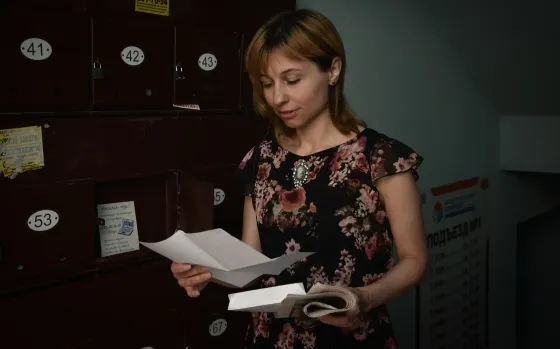

If you financed rooftop solar in Florida, go find the folder tonight. You’re looking for one page. A standalone sheet, printed in at least 12-point type, that you signed by itself, apart from the contract.
If it isn’t in there, Florida law lets you go after the finance charges.
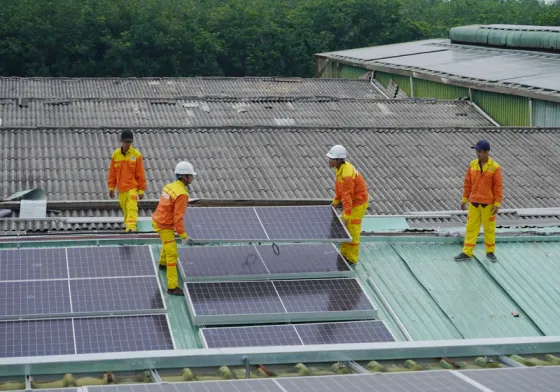
A WFLX investigation on the Treasure Coast reviewed four sets of solar contract documents from homeowners sold door to door. Two included the required disclosure. Two did not. The people in those files are carrying obligations of $40,000 to $60,000, some running 25 years, on systems that in several cases quit working.
The rule has been law since 2017. Florida Statute 520.23 says any agreement to sell or lease a residential solar system must include a written statement “separate from the agreement” and “separately acknowledged by the buyer or lessee.”
Not a clause on page 14. Its own page, signed on its own.
What has to be on it: the total cost including every dollar of interest and fees. The payment schedule. The valid state contractor license number of whoever installs the thing. Every one-time and recurring charge, down to the estimated cost of removing the system. Whether you’re buying or leasing, spelled out in a sentence. The assumptions behind whatever savings number the salesperson quoted. And your right to walk away for at least three business days.
Read that list and you can see why a page like that goes missing. It answers every question the kitchen-table pitch is built to skip.
Here’s what its absence is worth. Statute 520.25 has two teeth.
The first is a fine. A seller who “willfully and intentionally” violates this part commits a noncriminal violation punishable by a fine not to exceed the cost of the system. That money goes to the state, not to you.
The second one goes to you. The owner may recover, or set off against a seller suing them, “an amount equal to any finance charges and fees charged to the owner under the agreement, plus attorney fees and costs.”
On a 25-year solar loan, finance charges aren’t a rounding error. They’re most of what you pay.
Pull the paperwork this week. Look for a separate signed sheet, not a paragraph. Then check the contractor license number printed on it against the state licensing database, and check the salesperson too. WFLX searched four individual salespeople named in contracts and found exactly one in the state’s contractor licensing records.
Keep everything: contracts, financing documents, sales materials, utility bills, every message from the company. That’s what the attorney general’s Seniors vs. Crime investigator told WFLX to preserve. The office charges nothing and has already helped homeowners cancel contracts through mediation. AG records show nearly 750 complaints against just three solar companies.
Two limits. Statute 520.26 exempts nonresidential systems, sales bundled into a home sale, third-party financing from a local government, and any deal you paid in full by install day. Cash buyers sit outside this.
And the statute stops short of saying a missing page voids the contract. WFLX asked the Department of Business and Professional Regulation that question starting in June and got no straight answer.
Before the next salesperson runs your numbers, run them yourself in our solar savings calculator. The rest sits on our solar hub.
How Candid Yak makes money. Some of the products we write about pay us if you apply or sign up through our links. That never changes our verdict, our rankings, or the numbers in this article. We call a bad deal a bad deal whether it pays us or not. Some brands shown in our comparison tools are placeholder examples while we finalize partner agreements, and we label them as such.
Sources
- Florida Statutes 520.23, Disclosures required (distributed energy generation system sales)
- Florida Statutes 520.25, Penalties
- Florida Statutes 520.26, Exemptions
- WFLX: Florida homeowners say solar door-to-door sales left them with decades of debt (August 4, 2026)
- WPTV: Solar panel complaints mount on Treasure Coast as attorney general investigates companies