














If you’re weighing rooftop solar this year and the first thing the salesperson reaches for is an incentive, they’re selling you on the wrong number. The number that decides whether panels pay you back is printed on your own electric bill: what you pay per kilowatt-hour.
Hawaii just ran the experiment for you.
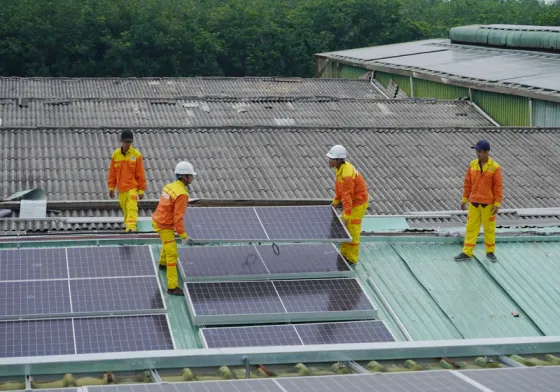
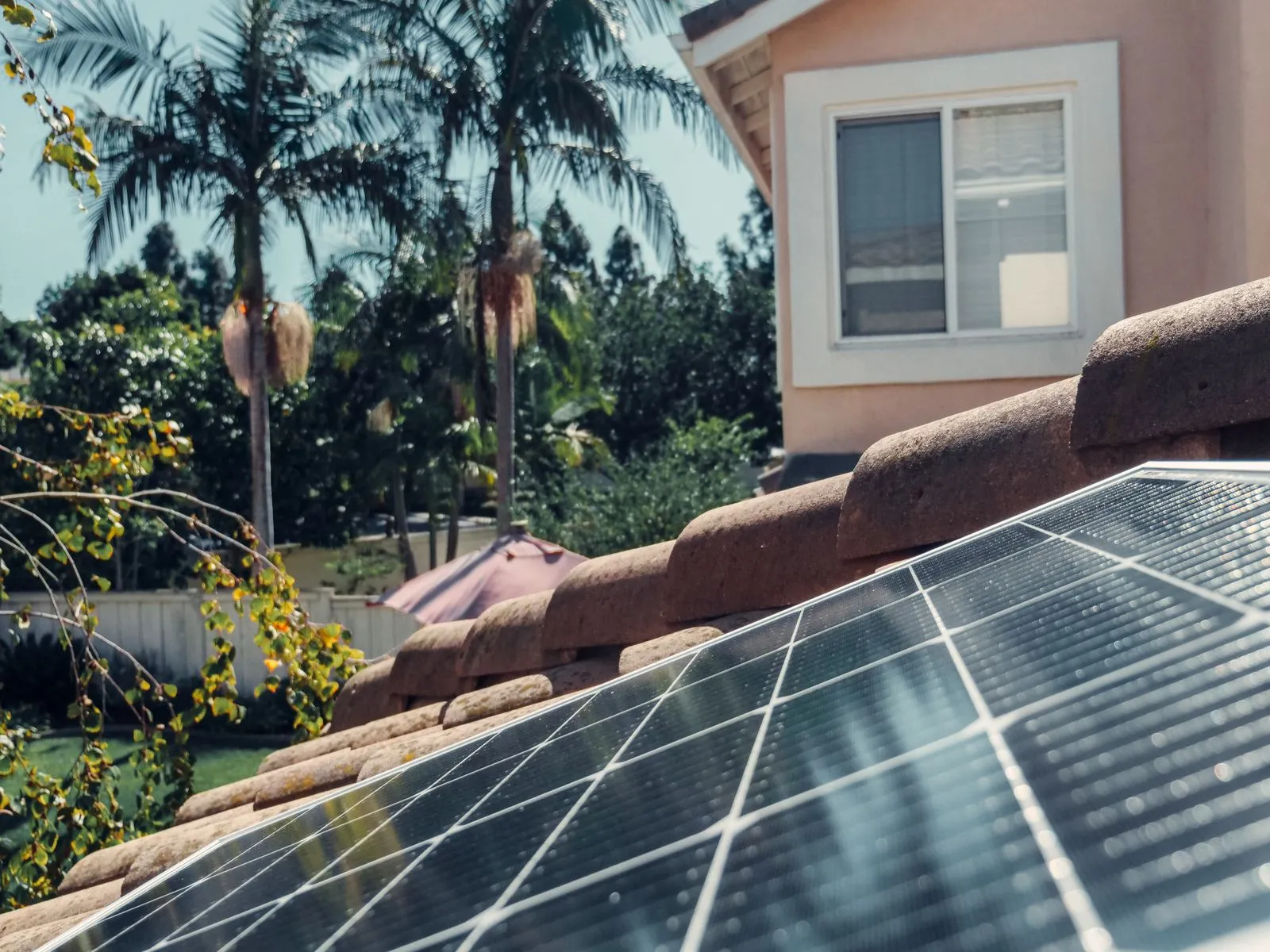
The 30% federal residential solar credit ended for systems placed in service after December 31, 2025. Hawaii homeowners lost it on January 1 like everybody else. Then they went and added 3,429 grid-connected rooftop systems in the first six months of the year, 36 megawatts of generating capacity, plus 55 megawatts of battery storage. All of 2025 produced 6,571 systems. Six months of 2026 came in above half that pace. Hawaiian Electric’s word for it was “solid.”
Oahu took 2,505 of those systems. Half of the island’s single-family home customers now have panels on the roof.
So why install without the credit? Look at the bill. Hawaii’s average residential electricity rate is 52 cents per kilowatt-hour. The national average is 18.44 cents. California, the second most expensive state in the country, pays 33.25 cents.
Translation: a Hawaii homeowner is buying back power worth close to three times what a typical mainland homeowner is. The tax credit was a discount on the equipment. The utility rate is the entire return.
Here’s what nobody says at the kitchen table. Every payback pitch rests on two assumptions: what you pay per kWh today, and how fast that number climbs. Move the first one from 52 cents to 18 and the same panels take roughly three times as long to pay for themselves. Same hardware, same sun. Different deal.
Be honest about the softening, too. Rocky Mould, who runs the Hawaii Solar Energy Association, told the Star-Advertiser that demand has cooled since the federal deadline passed, and a chunk of those first-half installs were signed before the credit expired. Nobody should read 3,429 as a boom. Read it as proof that a high enough power bill carries the deal on its own.
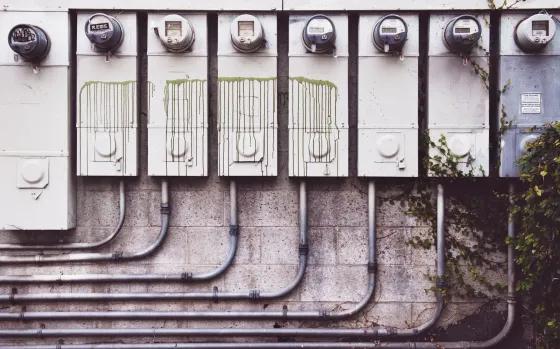
Do this before you take a single quote. Pull your last electric bill and work out your real cost per kilowatt-hour: total dollars divided by kilowatt-hours used. Not the advertised supply rate, the total, delivery charges and all. Then push your number, not the installer’s, through our solar calculator.
If you’re at 30 cents or above, solar can still work on cash with no federal credit behind it. If you’re near the 18-cent national average, the math got harder in January, and no salesperson is going to raise that unprompted. Ask what per-kWh rate and what annual escalation their payback assumes, in writing, and check both against your own bill.
Ask one more thing while you’re at it: what’s my utility’s fixed monthly charge? Panels don’t touch it, and that line has been moving.
One note on the credit itself. It expired based on when a system was placed in service, not when you signed or paid a deposit, which is why a 2026 install gets nothing even if the contract is older. We covered where the 30% went and why a lease is now the only path to it. Compare what’s left on our solar hub before you commit.
How Candid Yak makes money. Some of the products we write about pay us if you apply or sign up through our links. That never changes our verdict, our rankings, or the numbers in this article. We call a bad deal a bad deal whether it pays us or not. Some brands shown in our comparison tools are placeholder examples while we finalize partner agreements, and we label them as such.