















If you’re in Massachusetts and a solar quote came back with a surprise transformer charge attached, don’t cancel the project. State regulators just replaced that charge with a flat $225, and it takes effect this fall.
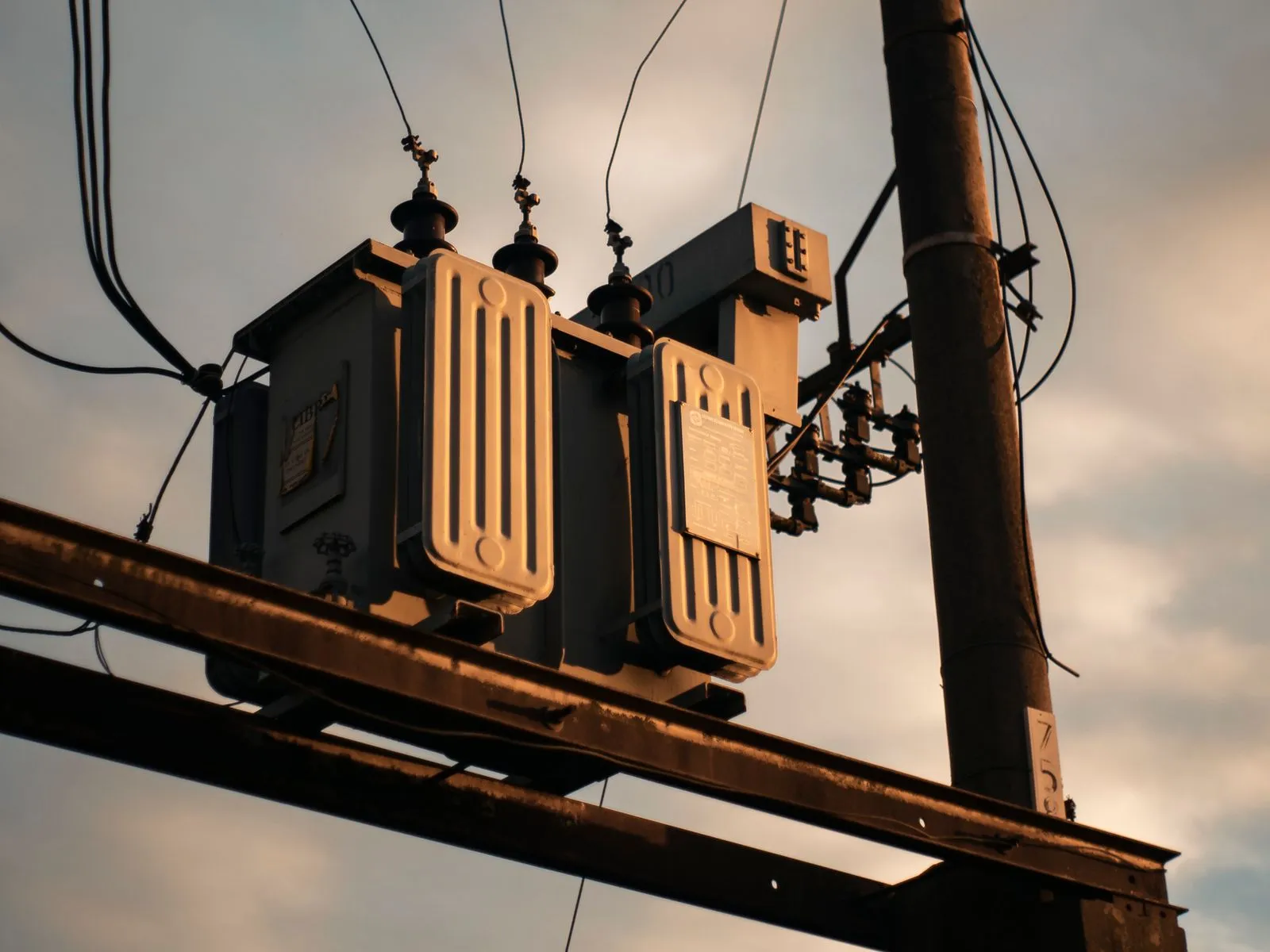
Here’s the line item most homeowners have never heard of. Near the end of the process, the utility checks whether the transformer serving your house can handle the power your panels are about to push back onto the grid. If it can’t, somebody has to pay to upgrade it. Until now, that somebody was you, alone, even though the transformer serves your neighbors too.
Which turns the whole thing into a queue lottery. Your neighbor adds solar, eats into the spare capacity, and pays nothing. You go second, tip the transformer past its limit, and get the bill. The third house on the street inherits the upgraded transformer you paid for and pays nothing either.
You also don’t find out where you landed in that queue until permitting is underway and the financing is locked.
Abe Walters, a homeowner in Bellingham, had a loan from the state climate bank, an installer picked from a stack of estimates, and a project that penciled out. Then came a $12,000 transformer bill.
The Department of Public Utilities finalized the fix in the week of August 10. Every residential solar or battery storage customer now pays $225, and that pot covers up to $10,000 of interconnection infrastructure work for Eversource and National Grid customers, up to $1,450 for Unitil. Minnesota, Maine, and Connecticut already do it roughly this way.
“This is an outcome that everybody is going to be supportive of,” DPU commissioner Staci Rubin said. “That’s rare at the DPU.”
She’s right that it’s rare. Now the part that isn’t in the press release: the cost gets spread across all distribution customers instead of landing on one unlucky roof. Everybody’s bill carries a sliver of it. Rubin’s argument is that more solar on the system means more supply, which pushes costs down for those same customers. That part is a forecast, not a receipt. The $225 is a number you can put in a loan application today.
Ask how bad the old version was. James Manzer of ReVision Energy, who led the DPU working group on this, put it this way: “We joke in the sales team that we get so much practice because we get to sell a project five times.” His example of the last resale is telling a customer the transformer needs $7,500 of work and here’s your new return on investment.
Only about 3 percent of small solar projects trigger the charge. Three percent is a rounding error until it’s your roof and your loan.
If you have a live quote in Massachusetts with a transformer or interconnection line item on it, call your installer this week and ask one question: can my interconnection application be submitted after the new tariff takes effect? Get the answer in writing, along with the date they expect it to apply.
If you already canceled a project over one of these charges, get a fresh quote. The number that killed it is about to stop existing.
And if you’re just running the math for the first time, run it without the federal credit, because homeowner-purchased solar lost that at the end of 2025. Our solar calculator will do the payback period, and the solar hub covers what’s left of the incentive stack.
The panels were never the hard part. The paperwork behind the panels was.
How Candid Yak makes money. Some of the products we write about pay us if you apply or sign up through our links. That never changes our verdict, our rankings, or the numbers in this article. We call a bad deal a bad deal whether it pays us or not. Some brands shown in our comparison tools are placeholder examples while we finalize partner agreements, and we label them as such.