

















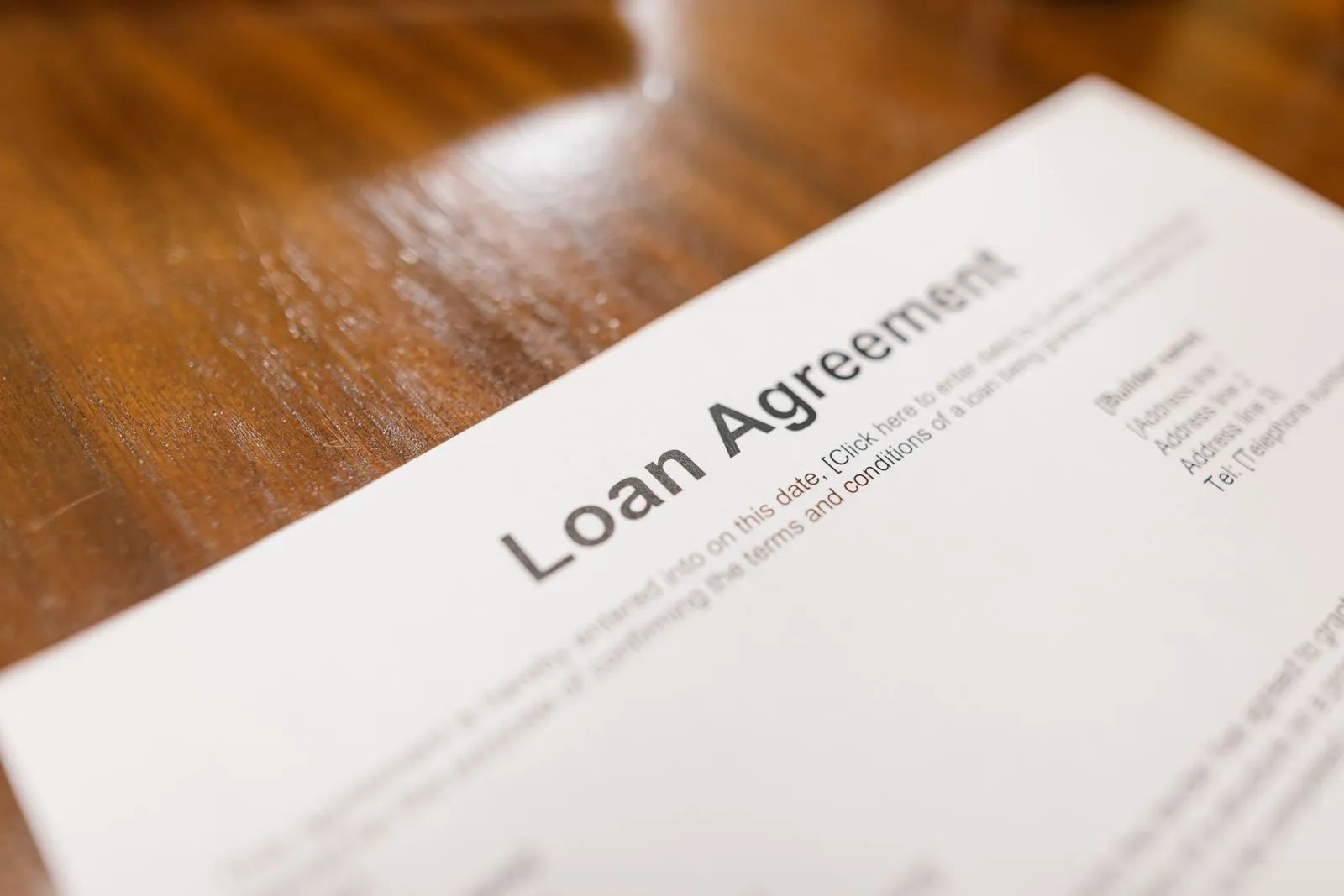
If you are buying or refinancing this summer, one line on your closing paperwork is quietly costing you more than it did last year. It is not the appraisal. It is not title. It is the credit-report fee. And you have to pay it, because the rules say your lender has to buy three copies of your credit history from three different bureaus, even if you only need one to know what your credit looks like.
The Mortgage Bankers Association says the industry’s tri-merge credit report cost is up 35 to 40 percent this year, the fourth consecutive year of steep hikes. MBA president Bob Broeksmit told the FHFA the national credit bureaus are “abusing their government-granted oligopoly by gouging consumers, a predictable outcome.” Those are his words, not ours. The MBA is not the consumer advocacy crowd. It is the lender lobby, and it is on record calling the bureaus’ pricing gouging.
Here is what a tri-merge is. When you apply for an FHA, VA, USDA, or conventional Fannie or Freddie mortgage, your lender is required to pull your credit file from all three national bureaus: Equifax, Experian, and TransUnion. Three files, three fees, one closing disclosure. FHA reaffirmed the tri-merge requirement in 2026 guidance, saying it “ensures a comprehensive and consistent evaluation of borrower credit information.” Reasonable-sounding. Also a captive market for three companies that know exactly one thing: mortgage lenders have no choice.
The bureaus have raised the price on the same product four years running because they can.
The dollars are small compared to your rate or your down payment. A tri-merge for one applicant runs roughly $45 to $50 today, up from the mid-$30s a year ago. Two applicants on a joint application means a joint pull, and the fee scales. A couple is looking at $75 to $100 for a report they legally must buy. Over a $400,000 mortgage that is a rounding error. Over a country’s worth of mortgages, at millions of closings, it is one credit bureau’s annual bonus pool.
Here’s the move. When your lender sends the loan estimate, find “Services You Can Shop For” and look at the credit-report line. That is the number the lender is quoting for your file, not the wholesale bureau price. Then ask two questions. Do you pass this through at cost or is there a markup? And is there a separate processing or verification fee on top? Some lenders eat the tri-merge and don’t charge you at all. Some pass the wholesale rate through. A few tack on $50 to $100. Two quotes from two lenders on the same day tells you what the market is.
The bigger fight is above your closing. The MBA has asked the FHFA to let lenders pull just one credit report on borrowers with scores of 700 or better, arguing that model is safely used in every other consumer-lending market. FHFA has not moved. Until it does, the required tri-merge stays required, and the bureaus keep pricing accordingly. File that away for the next refi.
If you are shopping now, compare current options on our best mortgage lenders page and use the mortgage calculator to run the actual all-in cost. Do the loan estimate comparison side by side. It is a boring worksheet that saves real money.
For the technical detail: FHA’s 2026 announcement lets lenders use FICO Score 10T or VantageScore 4.0 alongside Classic FICO. That is progress on scoring, not on reporting. The scoring model is the algorithm that turns your file into a number. The tri-merge is the file itself. Different fights. Different price tags.
How Candid Yak makes money. Some of the products we write about pay us if you apply or sign up through our links. That never changes our verdict, our rankings, or the numbers in this article. We call a bad deal a bad deal whether it pays us or not. Some brands shown in our comparison tools are placeholder examples while we finalize partner agreements, and we label them as such.