








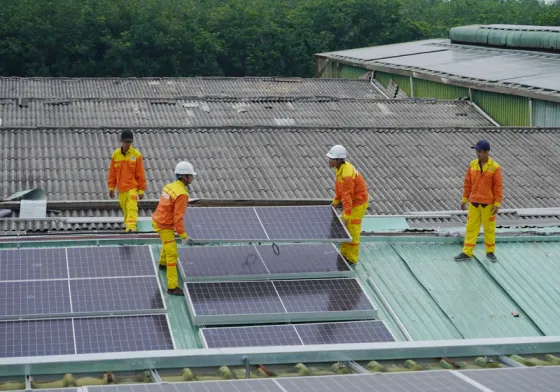






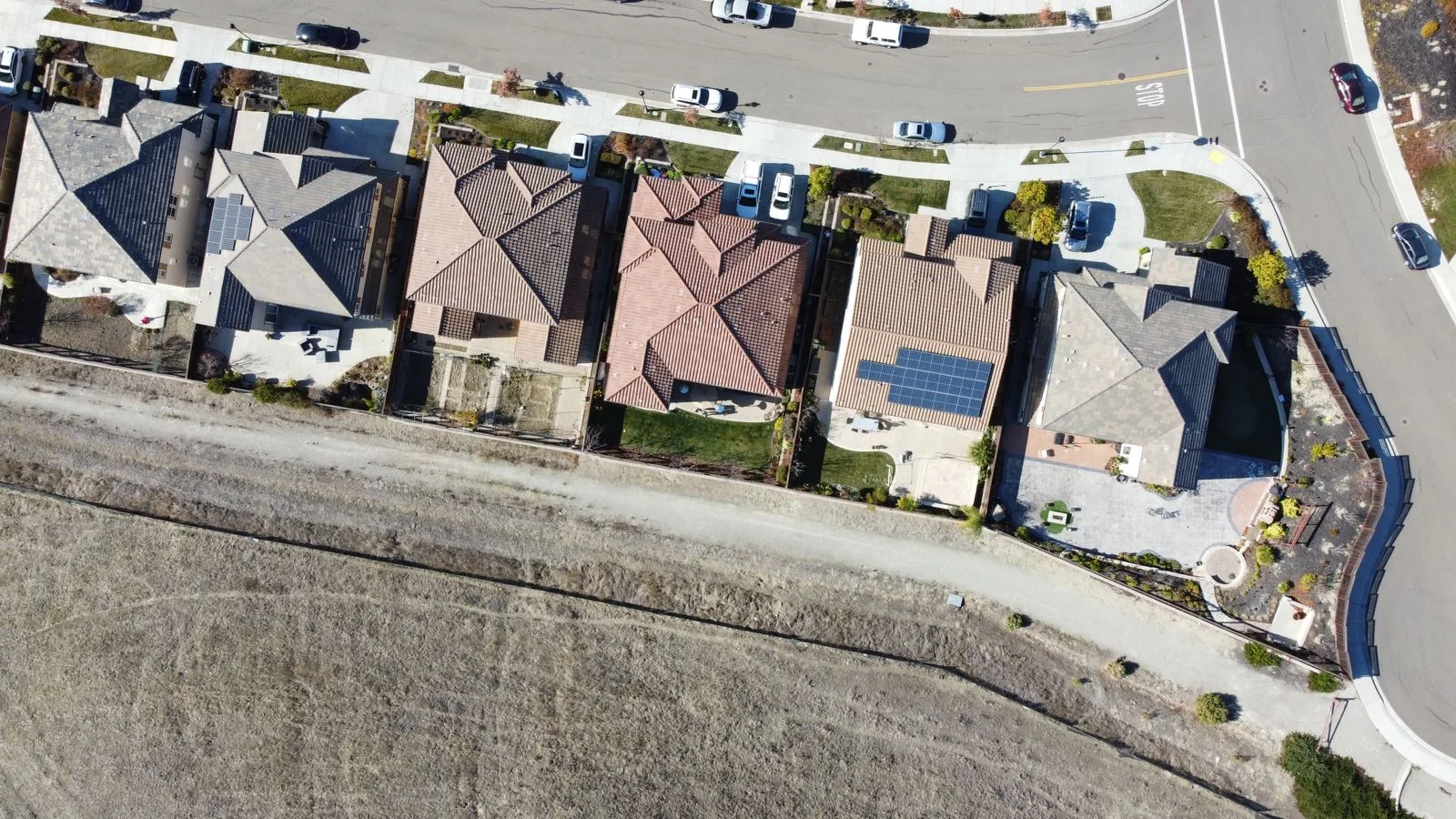
If your solar system got permission to operate before April 15, 2023, you are sitting on a 20-year rate lock. Exports credited on the old terms, guaranteed, for two decades from your PTO date. It is the most valuable thing on your roof.
You can hand it back by adding four panels.
Here is the line. PG&E’s Net Energy Metering 2 Sunset Contractor FAQ, still posted on its site, says this: “You can increase your system size up to 10% or 1kW, whichever is greater, without moving to the successor tariff.” Then it says what nobody puts on a sales quote. “If you increase your system size beyond this threshold, it is unclear if you can remain on NEM1 or NEM2 for the 20 year period legacy status.” The FAQ adds that the final decision “was not clear on how modifications above the threshold would work,” and that details “will be determined in the coming months.”
That FAQ is dated 2023. It still says “unclear.”
Why this is landing on people now
Electricity got more expensive. The Energy Information Administration put the average U.S. residential price at 18.34 cents per kilowatt-hour in June 2026, up from 17.47 cents a year earlier, right around 5 percent. When the bill climbs, the obvious move looks like more panels or a battery. So installers are knocking, and the pitch is about production, never about tariffs.
Now the part that catches people. Size is not panel count. PG&E defines a solar system’s size as the lesser of the inverter nameplate capacity in kW or the maximum solar output CEC-AC rating. For batteries, both the inverter’s kW and the storage device’s kWh count toward the definition.
Translation: replace a tired 7.6 kW inverter with the 9.6 kW unit the installer has in the truck, add nothing else, and you may have just moved your system size past the threshold. The panels did not change. The number the utility looks at did.
The verdict
The rule is reasonable. It exists so you can do maintenance without losing your tariff. The problem is where it lives: in a contractor FAQ, not on your quote, and three years on the answer past the threshold is still “unclear.”
Price your expansion as a one-shot decision. A few hundred dollars a year of export value, across the rest of a 20-year lock, dwarfs the extra production from a handful of panels.
Do this before you sign
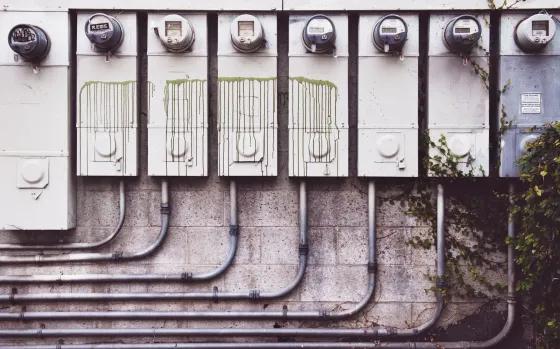
Pull your permission-to-operate letter and find two numbers: the PTO date and the approved system size in kW AC. Your 20-year clock starts at that date.
Then make the installer write the post-expansion AC size into the contract, in kW, next to the current one. Not “about the same.” The number.
Then call your utility and get written confirmation that the new size keeps you on your existing tariff, before anything gets ordered. An email counts. A salesperson’s reassurance does not.
If the expansion pushes you over, run it as a trade: added production against the export value you give up for the rest of your legacy term. Our solar calculator and the solar ROI guide get you the first half. Your utility’s rate schedule gets you the second. If your payback math already looks shaky, check whether your utility’s fixed charges moved it first.
Most of the time, stay under the line.
The background
NEM 2.0 closed to new applicants at 11:59 p.m. on April 14, 2023. Everyone who applied after went onto the Net Billing Tariff, which credits exports on different terms. CPUC rules let customer-generators stay on NEM 2.0 for 20 years from the date they interconnected, and PG&E runs the same clock from PTO approval. Rules vary by utility, so SCE and SDG&E customers should confirm their own paperwork instead of assuming PG&E’s language applies to them.
How Candid Yak makes money. Some of the products we write about pay us if you apply or sign up through our links. That never changes our verdict, our rankings, or the numbers in this article. We call a bad deal a bad deal whether it pays us or not. Some brands shown in our comparison tools are placeholder examples while we finalize partner agreements, and we label them as such.