













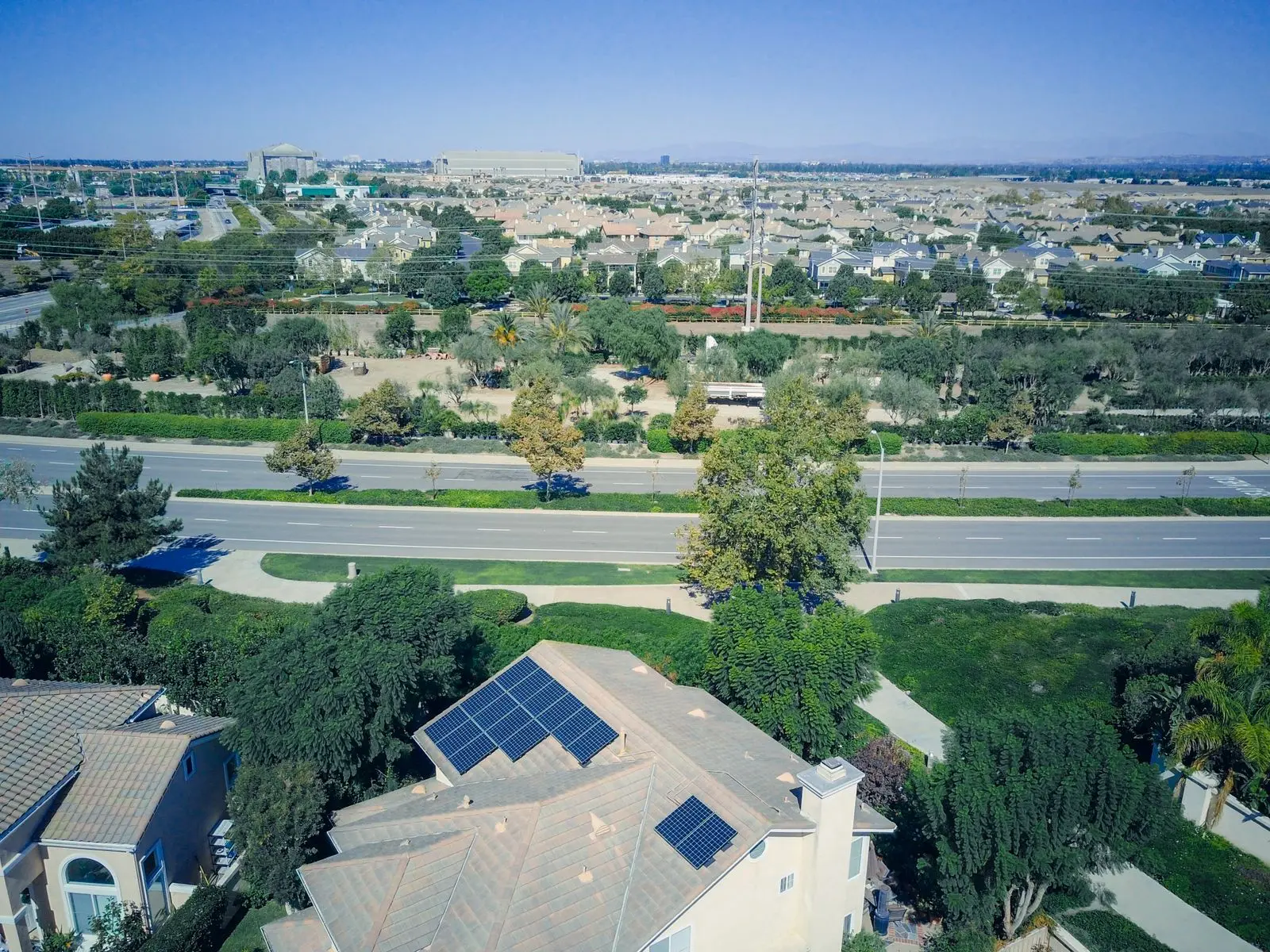
If you bought solar with cash or a loan this year, you spent roughly $31,000 and got nothing back from the IRS. Now check whether the policy insuring your house knows the panels are up there.
Most likely it does not, because nobody told it.
The coverage itself is fine. Rooftop panels bolted to your house get treated as part of the house. GEICO puts it plainly: panels permanently attached to your home are “typically considered part of the dwelling itself” and are “often protected under Dwelling Coverage” against fire, hail, lightning, theft, and vandalism. EnergySage describes the same setup.
Here’s the catch. Dwelling coverage pays up to a limit, and somebody calculated that limit for your house on a day when there were no panels on it.
The gap nobody mails you a letter about
Nothing in that arrangement updates itself. You did not buy a new policy. Your carrier did not send an inspector. The roof gained about $31,000 of equipment and the limit protecting it stayed exactly where it was.
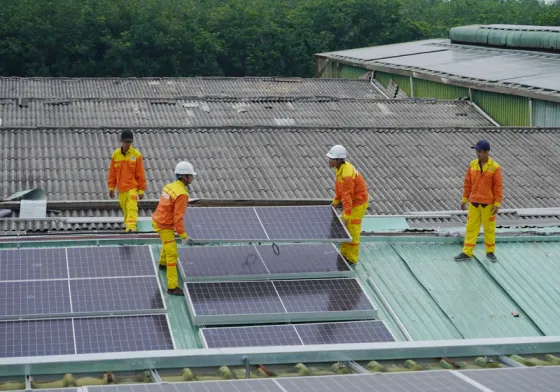
EnergySage’s marketplace data has the average residential system at $31,135, a 12 kW build at $2.60 per watt, as of June 30, 2026. Its insurance guidance cites a 2026 average of $30,505. Either way, it is a five-figure asset sitting in the weather.
GEICO’s own page says your “Dwelling Coverage limit may need to be raised.” That is the carrier telling you, in carrier language, that this is on you to fix.
2026 widened the gap. The 30% residential credit under Section 25D expired December 31, 2025 under the One Big Beautiful Bill signed July 4, 2025. It never stepped down to 26% and then 22% the way everyone expected. It went to zero. Buy a system with cash or a loan this year and Washington contributes nothing.
Which means you have about $9,000 more of your own money riding on that roof than a neighbor who installed in 2024. Same panels. Same limit on the policy.
Two more traps
Ground-mounted arrays are not on the dwelling, so they do not ride on dwelling coverage. GEICO says they “often fall under Other Structures coverage, which typically has lower limits.” If your panels are in the yard, that is a separate limit worth asking about by name.
Leased and PPA systems flip the question. You do not own the hardware, so the leasing company typically insures it. Your exposure is the roof underneath it and the structural damage around it. Get both halves confirmed in writing, because “the solar company handles that” is the sentence people repeat right up until a claim.
And do not confuse insurance with your warranty. EnergySage is clear that wear and tear, aging, maintenance, performance shortfalls, and manufacturer defects are not insurance items. Those are warranty items. Hail is insurance. A dead inverter is not.
Do this week
Call your agent and ask one question: does my Coverage A limit include the installed cost of the solar system? Have the contract price in front of you. Not an average, your number.
If the answer is no, raise it and ask what the premium change is. If your array is ground-mounted, ask for the Other Structures limit specifically. If you lease, ask for the leasing company’s certificate of insurance and read what it actually covers.
Then compare the new premium against your current one. Our solar hub covers the rest of the ownership math.
Verdict: this is a ten-minute phone call protecting a five-figure asset. Not optional.
How Candid Yak makes money. Some of the products we write about pay us if you apply or sign up through our links. That never changes our verdict, our rankings, or the numbers in this article. We call a bad deal a bad deal whether it pays us or not. Some brands shown in our comparison tools are placeholder examples while we finalize partner agreements, and we label them as such.