






If your panels went up this year and still aren’t making power, stop waiting for your installer to call you back. Go find out whether anyone ever told your utility the system exists.
That’s the step that goes missing. The financing doesn’t wait for it.
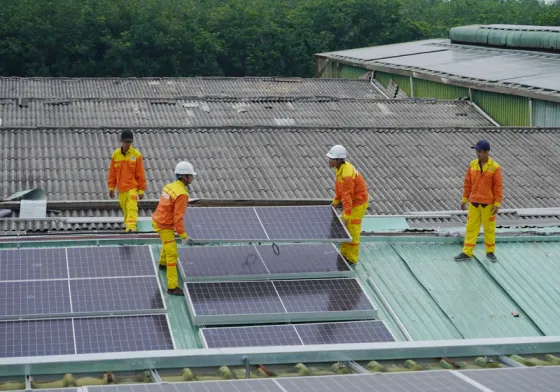
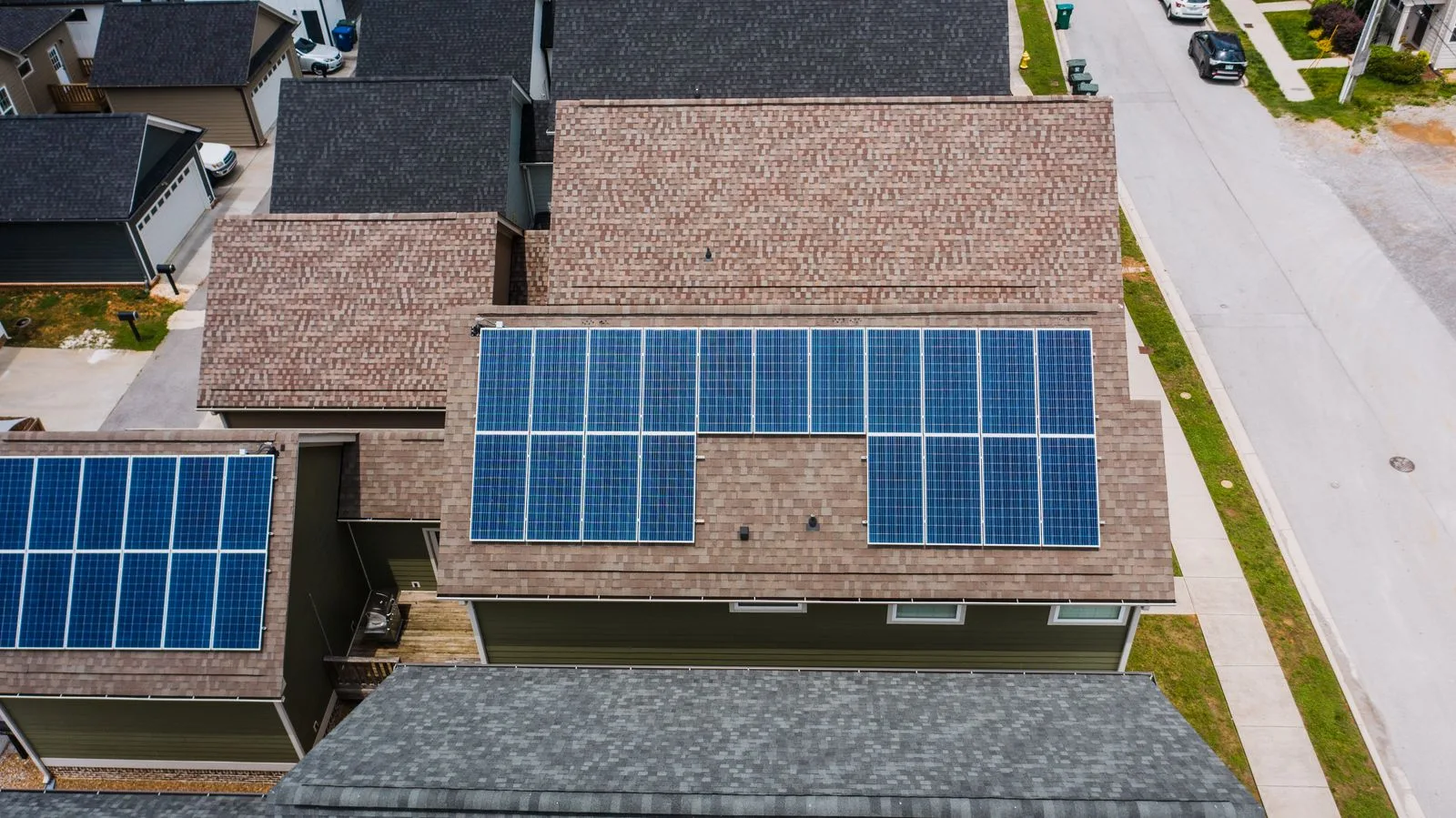
Nate Chiarenza had panels bolted to his Tampa roof in March. They still weren’t producing in August. The company that installed them, Freedom Forever, filed Chapter 11 in April, and the contractor on his roof told him not to worry, the company wasn’t going out of business, it was just restructuring. On August 7 a Delaware bankruptcy court converted the case to Chapter 7 liquidation.
His county inspection failed. Not because anything was wrong with the array, but because nobody from Freedom Forever showed up for the appointment. He got a second inspection later and passed it.
The panels stayed dark anyway.
A Tampa Electric spokesperson explained why to WFLA’s Shannon Behnken: the installer is normally the one who enrolls a customer’s system with the utility. No enrollment, no interconnection, no power. Chiarenza couldn’t reach anyone at Freedom Forever to do it, and the trustee winding the company down had already cut the field staff who might have.
“Right now, the only thing I know is the money’s been spent,” he told WFLA. His lease payments are scheduled to start in September. “Right now, there’s just essentially a $20,000 bill hanging over my head.”
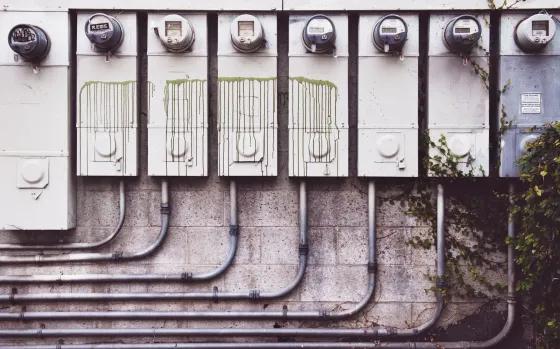
Here’s what the kitchen-table pitch never separates out. A finished solar job is three approvals from three different offices, and they do not run on the same clock. Your building department has to final the electrical permit. Your utility has to process an interconnection agreement and grant permission to operate, which is the written sign-off that your system may legally push power onto the grid. And your lender or lessor has to start billing you.
Only the last one happens by itself.
Your payment schedule lives in a contract signed months before anyone climbed on your roof, and nothing in it is conditioned on the electricity ever flowing. The industry has not been racing to fix that.
Two phone calls, both free.
Call your utility’s interconnection or net metering desk. Ask whether an application was ever submitted for your address, and whether permission to operate has been granted. Use that phrase, and ask for the answer in writing.
Then call your city or county building department and ask whether the permit on your solar job was finaled or is still sitting open. Permit records are public. You don’t need your installer’s cooperation to pull them.
If your installer is already gone, call the utility anyway. Tampa Electric decided to move ahead with Chiarenza’s system and run its own inspection despite the missing installer paperwork, because the local inspection had passed. Utilities can make that call. They just have to be asked.
This is not a Florida problem. More than 100 residential solar installers have gone bankrupt or shut down since 2023, leaving over a million American homes with arrays from companies that no longer exist, and Wood Mackenzie and the Solar Energy Industries Association project residential installations will fall about 20% in 2026.
Still shopping? Run the payback math on our solar calculator first, and read the solar hub on how the financing structures differ. Then ask the salesperson one question the brochure won’t answer: who handles my permission-to-operate paperwork if you’re not here in six months.
How Candid Yak makes money. Some of the products we write about pay us if you apply or sign up through our links. That never changes our verdict, our rankings, or the numbers in this article. We call a bad deal a bad deal whether it pays us or not. Some brands shown in our comparison tools are placeholder examples while we finalize partner agreements, and we label them as such.
Sources
- Residential solar installer's bankruptcy leaves some customers waiting for answers (Shannon Behnken, WFLA 8 On Your Side)
- Freedom Forever bankruptcy leaves Tampa solar customer waiting to turn on newly installed system (August 14, 2026)
- Tampa Homeowner Stuck With $20K Solar Bill After Freedom Forever Collapse (Hoodline, August 14, 2026)
- Solar panel installers' bankruptcies leave Central Florida homeowners in the dark (Pavlina Osta and Paul Giorgio, News 6 Orlando)