
















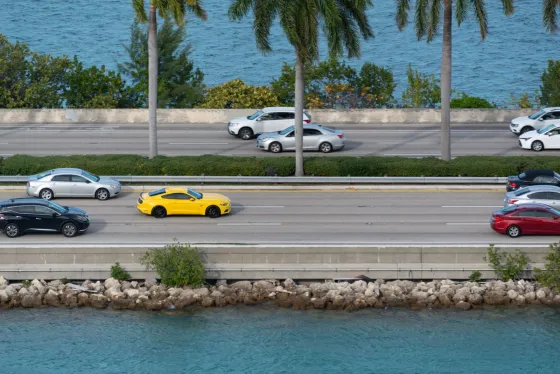
A rock hits your windshield on the interstate. Twenty years ago that was a $200 problem. On a car built in the last few years it can be a $1,500 one, and the reason has nothing to do with glass prices.
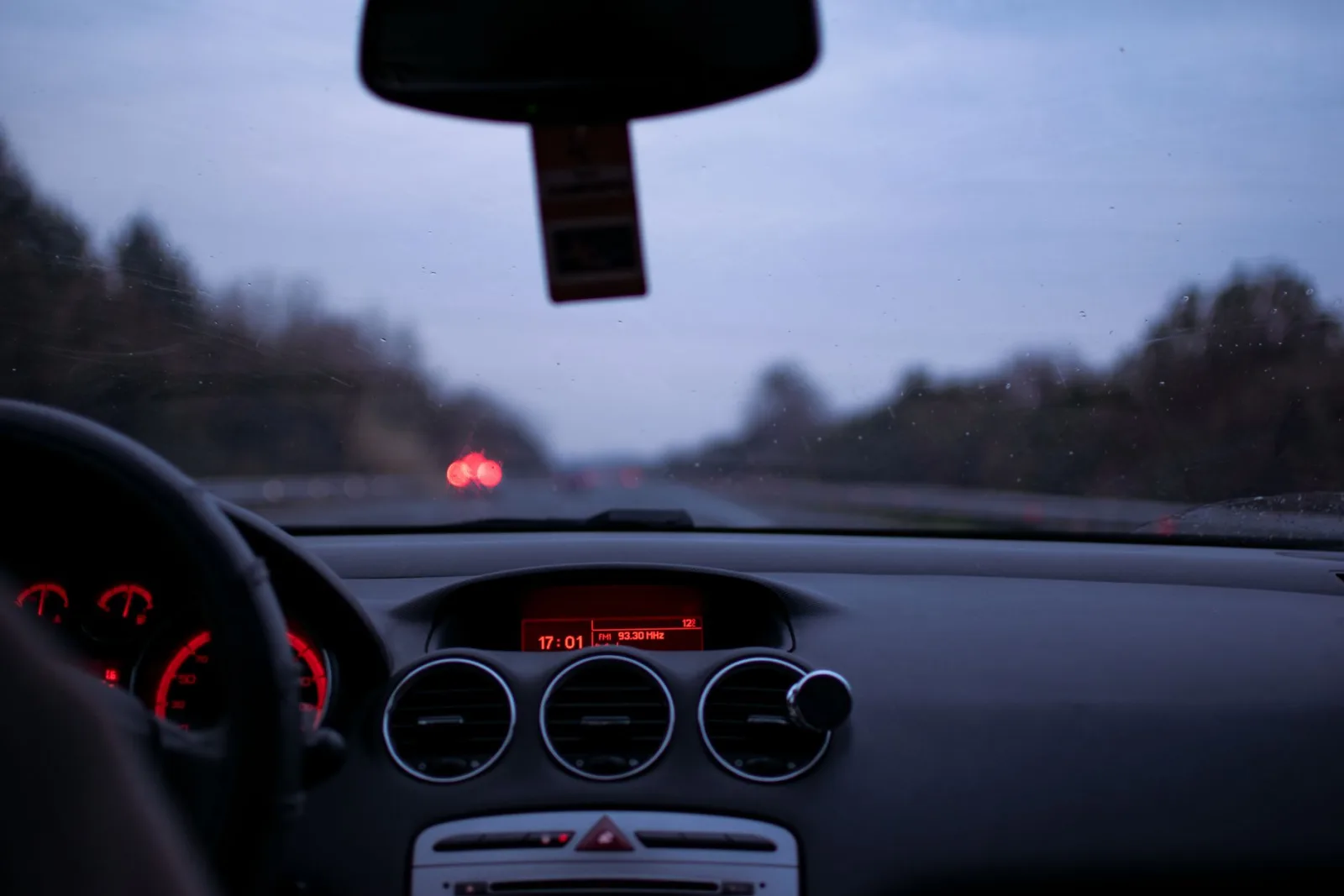
There’s a camera behind your rearview mirror. Lane keeping, automatic emergency braking, adaptive cruise control: they all look through that windshield. Take the glass out and the camera’s aim moves. Somebody has to re-aim it before those systems can be trusted again.
AAA puts repair of a chip or small crack at $50 to $150, and a full replacement at $250 to $1,500 or more. That spread isn’t the glass. It’s what’s bolted to it. AAA’s own earlier research, from 2018, found a camera-equipped windshield typically ran about $1,500, roughly triple a plain one, and the recalibration itself now runs around $360 by AAA’s current figure.
Here’s what the shop won’t necessarily volunteer. Recalibration is a separate operation with a separate price, done either statically against targets in a bay or dynamically on a test drive. If it isn’t written on the estimate before the adjuster approves the scope of work, you’re the one who finds out later, either through a bill or through a lane-keeping system that quietly stopped working correctly.
So put it on the estimate. Ask the shop to list calibration as its own line item, and ask whether they do it in house or farm it out, because two vendors means two invoices and two chances for someone to say the other guy handles it.
Then check your own policy before you file anything. Comprehensive coverage typically pays for glass when you weren’t at fault. Liability-only doesn’t, at all. And the deductible decides whether a claim is even worth making: $500 against a $600 job is not a claim, it’s paperwork. Read your declarations page for a separate glass deductible, which some policies carry at a lower number than the main comprehensive deductible. If you live in Florida, Kentucky or South Carolina, AAA notes those states may offer zero-deductible glass coverage when you carry full comprehensive.
One more thing, and this is the part that costs people real money. If someone approaches you in a parking lot offering a free windshield and a clipboard, slow down. What they usually want is an assignment of benefits, which signs your claim rights over to them. AAA warns about exactly this: inflated or unnecessary charges, and work you never authorized, billed to your insurer in your name. Use a technician certified by the National Institute for Automotive Service Excellence and keep control of your own claim.
The move this week is smaller than any of that. If you have a chip, get it filled now, before it runs. Many insurers waive the deductible on a repair because they would much rather pay $100 than $1,500 plus calibration. That is the one moment in this whole process where your interests and your insurer’s line up perfectly.
Our insurance estimator will tell you whether your premium is sitting where it should be, and the auto insurance hub covers what your comprehensive coverage is actually buying you.
Fix the chip. Everything after that gets expensive.
How Candid Yak makes money. Some of the products we write about pay us if you apply or sign up through our links. That never changes our verdict, our rankings, or the numbers in this article. We call a bad deal a bad deal whether it pays us or not. Some brands shown in our comparison tools are placeholder examples while we finalize partner agreements, and we label them as such.