













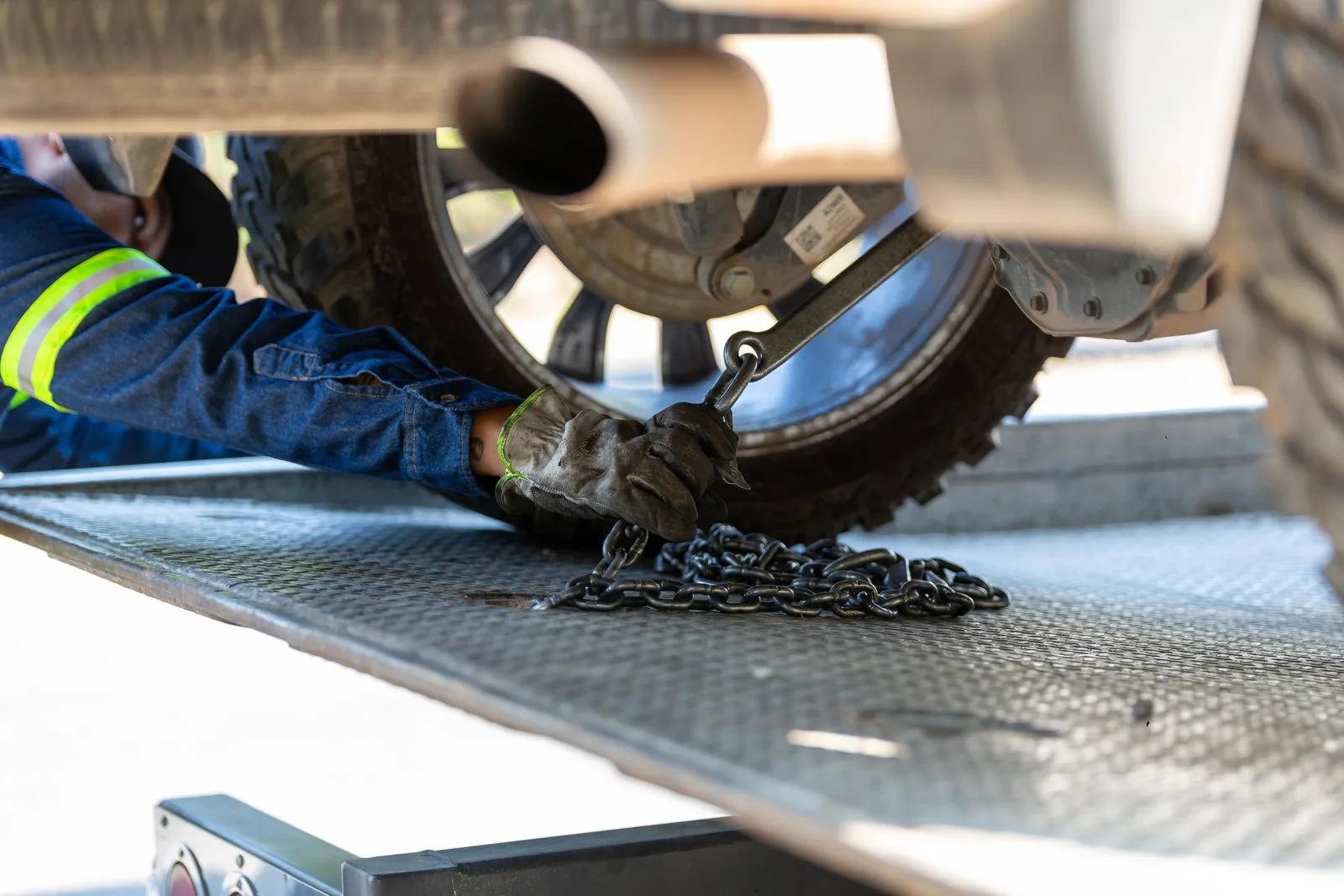
If a truck took your car this month, the envelope that shows up next is the most expensive piece of mail you will ever skim. Read it slowly. There are two different ways to get the car back and they cost wildly different amounts.
One is redemption. That’s the federal one, and it means paying everything.
The Uniform Commercial Code, the commercial rulebook every state has adopted in some form, gives you the right to redeem. Section 9-623 says you can get the collateral back by fulfilling all obligations secured by it, plus the lender’s reasonable expenses and attorney’s fees. Not the three payments you missed. The whole loan.
The statute is unusually blunt about it. Section 9-614 hands lenders a model notice to use, and the model’s own words are: “You can get the property back at any time before we sell it by paying us the full amount you owe (not just the past due payments), including our expenses.” Somebody in a drafting committee knew exactly which sentence people misread.
Reinstatement is the other word, and that’s the one you want. Reinstating means you pay the missed payments plus the tow and storage costs, and the original contract picks up where it left off. It is not a federal right. It exists only where a state gives it to you or the contract does.
California is one of the states that does. Civil Code 2983.2 requires the post-repo notice to say either that there is a conditional right to reinstate lasting 15 days from the date the notice was given or mailed, or that there is no right of reinstatement at all. Ask in writing and the holder has to add 10 more days to both clocks. That letter is doing legal work whether or not you open it.
Here’s the part that costs people the car. The redemption right doesn’t run forever. Under 9-623 it dies the moment the lender sells the vehicle or even just signs a contract to sell it. Fifteen days of ignoring the mail can be the whole window.
And you don’t walk away clean after the auction either. The model notice in 9-614 says it plainly: if the sale brings less than you owe, you still owe the difference. So you can end up making car payments on a car somebody else is driving.
This is not a rare situation right now. The New York Fed’s second-quarter report, out in August, put the share of auto loans rolling into serious delinquency at 3.00%, up from 2.93% a year earlier and the highest since 2010. Originations hit a nominal record $211 billion, which the Fed’s own researchers pointed out doesn’t survive an inflation adjustment. Translation: nobody’s buying more cars, they’re just borrowing more per car.
Do this in the first 48 hours. Find the notice and find the phone number on it, because 9-614 requires the lender to give you one that produces the exact redemption figure. Call it and ask for that number in writing, then ask separately whether your state or your contract gives you a reinstatement right and what the deadline is. Those are two different questions and the second one is the cheap answer. Check the postmark against the 60-day window your state may put on the notice, since in California a late notice can cost the lender the deficiency.
If the payment was already unaffordable before the tow truck, reinstating just buys you the same problem in 30 days. Run the real number through our loan calculator and our debt payoff calculator first, and look at what refinancing costs on our loans hub and the best loan rates we track.
The clock on that letter started the day it was mailed, not the day you opened it.
How Candid Yak makes money. Some of the products we write about pay us if you apply or sign up through our links. That never changes our verdict, our rankings, or the numbers in this article. We call a bad deal a bad deal whether it pays us or not. Some brands shown in our comparison tools are placeholder examples while we finalize partner agreements, and we label them as such.
Sources
- U.C.C. Section 9-623, Right to Redeem Collateral (Cornell Legal Information Institute)
- U.C.C. Section 9-614, Contents and Form of Notification Before Disposition of Collateral: Consumer-Goods Transaction (Cornell Legal Information Institute)
- California Civil Code Section 2983.2, notice after repossession of a motor vehicle (FindLaw)
- New York Fed finds delinquency rates mixed for credit cards, auto loans (Fox Business, August 14, 2026)
- NY Fed Q2 2026: $211B auto originations, 15-year-high delinquency (GoodCarBadCar)